

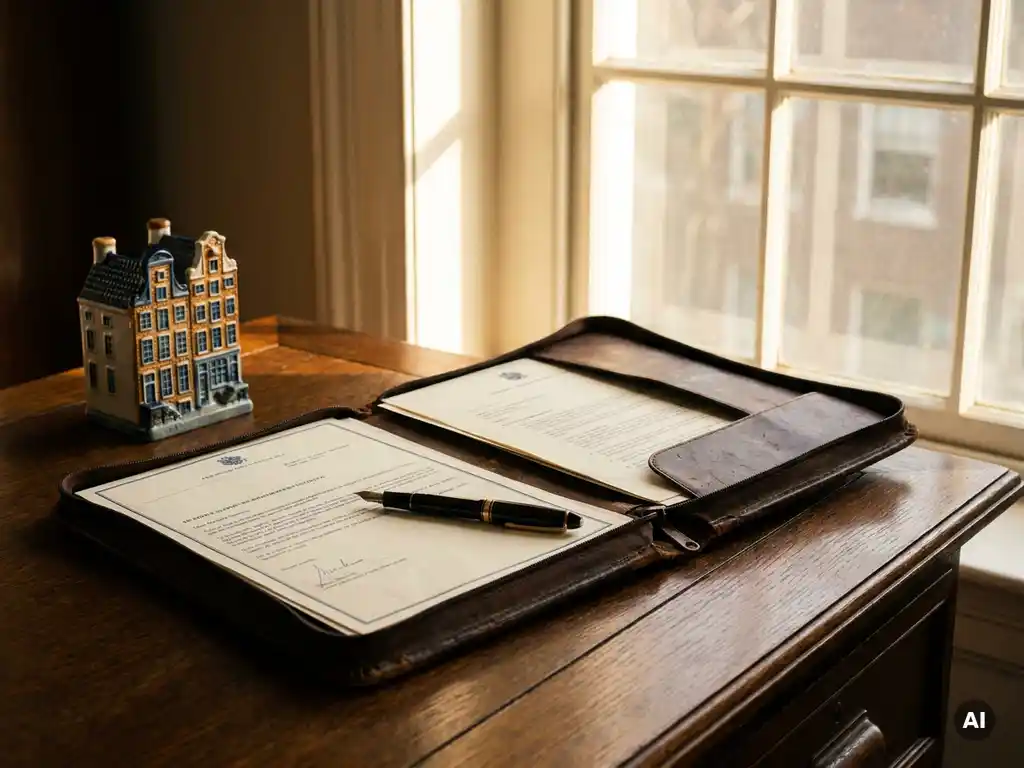
A besloten vennootschap (BV) is a private limited liability company under Dutch law, roughly equivalent to a private limited company in the UK or an LLC in the United States. It is a separate legal entity that can enter into contracts, own assets, and incur debts in its own name. Because the BV is the most widely used corporate structure in the Netherlands for both domestic businesses and foreign market entry, understanding how it works is essential for any entrepreneur or company operating in the country.
The sections below address the most common questions about the Dutch BV, from ownership and liability to taxation, incorporation, and when a BV is preferable to a branch office.
How is a BV different from other Dutch legal entities?
A BV differs from other Dutch legal entities primarily through its combination of limited liability, separate legal personality, and flexible governance. Unlike a sole trader (eenmanszaak) or a general partnership (vennootschap onder firma, VOF), a BV exists independently of its owners. Shareholders are generally not personally liable for the company’s debts beyond the value of their shares.
The main Dutch legal structures and how they compare to a BV are:
- Eenmanszaak (sole trader): No separate legal personality; the owner bears full personal liability for all business debts.
- VOF (general partnership): Partners share unlimited joint and several liability; no minimum capital requirement.
- NV (naamloze vennootschap): A public limited company suited to larger enterprises; requires a minimum share capital of €45,000 and is subject to stricter regulatory requirements.
- Stichting (foundation): A non-profit entity with no shareholders; used for charitable or specific-purpose activities.
- BV (besloten vennootschap): Private limited company with limited liability, flexible share structure, and no minimum share capital requirement since the 2012 Flex-BV reform.
The abolition of the minimum share capital requirement in 2012 made the BV significantly more accessible. A BV can now be incorporated with a share capital of as little as €0.01, removing a previous barrier for startups and foreign investors entering the Dutch market.
Who owns and controls a BV in the Netherlands?
A BV is owned by its shareholders, who hold registered shares in the company. Control is exercised through a management board (bestuur), appointed by the shareholders. The shareholders’ meeting (algemene vergadering van aandeelhouders) is the highest decision-making body and holds authority over major corporate decisions, including the appointment and dismissal of directors.
In practice, the ownership and control structure of a BV works as follows:
- Shareholders own the company through registered shares. Unlike an NV, BV shares cannot be freely traded on a public exchange and are subject to transfer restrictions set out in the articles of association (statuten).
- The management board is responsible for the day-to-day management of the company. A BV can have one or more directors (bestuurders), who may be individuals or legal entities.
- A supervisory board (raad van commissarissen) is optional for most BVs but may be required for larger companies subject to the Dutch corporate governance structure (structuurregime).
The articles of association define the allocation of powers between these bodies. Dutch law allows considerable flexibility in drafting these provisions, meaning shareholders can tailor governance arrangements to their specific needs, for example, by granting certain shareholders enhanced voting rights or veto powers over specific decisions.
What liability protection does a BV offer directors and shareholders?
A BV provides shareholders with limited liability: they are not personally responsible for the company’s debts and obligations beyond the amount they have invested in their shares. However, directors of a BV can face personal liability in certain circumstances, particularly where there is evidence of mismanagement or improper conduct.
Shareholder liability is generally capped at the value of their shareholding. This means that if the BV becomes insolvent, creditors cannot pursue shareholders’ personal assets to satisfy company debts, a significant advantage over unincorporated business structures.
Director liability is a more nuanced area. Under Dutch law, directors may be held personally liable in the following situations:
- Internal liability (interne aansprakelijkheid): A director may be liable to the BV itself if they have fulfilled their duties improperly (onbehoorlijk bestuur).
- External liability (externe aansprakelijkheid): Third parties, including creditors, may hold a director personally liable if the director knew or should have known that the BV would be unable to fulfil its obligations.
- Tax and social security liability: Directors can be held personally liable for unpaid tax and social security contributions if they fail to notify the tax authority of the company’s inability to pay in a timely manner.
- Bankruptcy liability: In insolvency proceedings, a trustee (curator) may pursue directors for personal liability if improper management is found to have been a significant cause of the bankruptcy.
The specific circumstances and thresholds for director liability depend on the facts of each case. Whether liability arises is assessed individually, and the outcome can vary considerably depending on the conduct involved and the applicable legal standards at the time.
How is a BV taxed in the Netherlands?
A BV is subject to Dutch corporate income tax (vennootschapsbelasting) on its worldwide profits. The Netherlands applies a tiered corporate tax rate: a lower rate applies to taxable profits up to a certain threshold, with a higher rate applying to profits above that level. Shareholders who receive dividends from a BV are generally subject to Dutch dividend withholding tax.
The key tax considerations for a BV include:
- Corporate income tax: The BV pays tax on its net profits. The applicable rates and thresholds are set annually and should be verified with a tax adviser for the current year.
- Dividend withholding tax (dividendbelasting): Dividends distributed to shareholders are generally subject to withholding tax. The standard rate may be reduced under applicable tax treaties or EU directives, depending on the shareholder’s country of residence.
- Participation exemption (deelnemingsvrijstelling): Where a BV holds a qualifying interest in a subsidiary, profits received from that subsidiary, including dividends and capital gains, may be exempt from corporate income tax. This makes the BV a popular holding vehicle in international group structures.
- VAT (btw): A BV conducting commercial activities is generally required to register for VAT and charge VAT on taxable supplies.
Tax law is complex and subject to change. The above is a general overview only. The tax position of any specific BV will depend on its activities, structure, and the applicable rules at the time. Professional tax advice is strongly recommended before making decisions based on tax considerations.
What are the steps to incorporate a BV in the Netherlands?
Incorporating a BV in the Netherlands requires a notarial deed of incorporation, registration with the Dutch Chamber of Commerce (Kamer van Koophandel, KvK), and compliance with a number of procedural requirements. The process can typically be completed within a few days to a few weeks, depending on the complexity of the structure.
The main steps to incorporate a BV are:
- Draft the articles of association (statuten): The articles set out the company’s name, registered office, objects, share structure, and governance arrangements. These must be prepared in Dutch and executed before a Dutch civil-law notary (notaris).
- Execute the deed of incorporation: The founders appear before the notary (in person or via a power of attorney) to sign the notarial deed. The notary verifies the identity of the parties and the legality of the documents.
- Register with the KvK: Following execution of the deed, the BV must be registered in the Dutch Business Register (Handelsregister). The KvK assigns a registration number, and the company’s details become publicly accessible.
- Open a Dutch bank account: A BV requires its own business bank account. This step can sometimes take longer than the legal incorporation itself, as Dutch banks apply their own due diligence requirements.
- Register with the Dutch Tax Authority (Belastingdienst): The BV must register for corporate income tax and, where applicable, VAT and payroll taxes.
- Register the UBO (Ultimate Beneficial Owner): The BV must register its ultimate beneficial owners in the UBO register held by the KvK, in accordance with Dutch anti-money laundering legislation.
The specific requirements and timelines can vary depending on the shareholders’ nationalities, the complexity of the share structure, and whether a pre-incorporation agreement is needed. Legal advice at the incorporation stage helps to ensure the articles of association are properly tailored to the company’s needs and that all regulatory obligations are met from the outset.
When should a foreign company use a BV instead of a branch office?
A foreign company entering the Dutch market generally has two main options: establishing a BV (a separate Dutch legal entity) or registering a branch office (bijkantoor) of the foreign parent. The right choice depends on the intended activities, liability considerations, tax position, and long-term strategy.
Advantages of a BV over a branch office
A BV is a separate legal entity, which means the Dutch operations are legally distinct from the foreign parent. This limits the parent company’s exposure to liabilities arising in the Netherlands. A BV can also enter into contracts, employ staff, and own assets in its own name, which can simplify day-to-day operations and provide greater credibility with Dutch counterparties, banks, and public authorities.
From a commercial perspective, a BV is often perceived as a more permanent and committed presence in the Dutch market. This can be relevant when tendering for contracts, negotiating with landlords, or building relationships with Dutch business partners.
When a branch office may be preferable
A branch office is not a separate legal entity, it is an extension of the foreign parent, which remains fully liable for the branch’s activities. This structure may be appropriate where the foreign company wishes to test the Dutch market with limited commitment, or where the group’s tax and legal advisers determine that a branch structure is more efficient for the specific situation.
A branch office is generally simpler and less costly to establish than a BV, as it does not require a notarial deed or a separate share structure. However, the parent company bears full liability for the branch’s obligations, and the branch must still be registered with the KvK and comply with Dutch regulatory requirements.
The decision between a BV and a branch office involves legal, tax, and commercial considerations that are specific to each company’s circumstances. Depending on the structure of the group, the nature of the Dutch activities, and the applicable tax treaties, one form may offer meaningful advantages over the other.
How Russell Advocaten Assists Foreign Companies and Expats Setting Up in the Netherlands
Establishing a BV or navigating the Dutch legal landscape as a foreign company or expat involves more than completing the right forms. It requires a clear understanding of Dutch corporate law, employment obligations, real estate arrangements, and, for individuals relocating to the Netherlands, immigration requirements and practical legal support from day one.
Russell Advocaten is an internationally oriented law firm based in Amsterdam, with more than 80 years of experience advising businesses, directors, and international clients. The firm’s lawyers communicate equally fluently in English, German, and Dutch, which is a practical advantage for foreign companies and expats who need reliable legal support without language barriers.
For companies and individuals setting up in the Netherlands, Russell Advocaten provides assistance across a broad range of areas, including:
- Incorporating a BV and drafting articles of association tailored to the company’s governance needs
- Advising on shareholder agreements, director liability, and corporate governance
- Employment law support, including contracts, personnel administration, and restructuring
- Real estate and lease agreements, including commercial property and the diplomat clause in rental contracts
- Immigration and residence matters for expats, including the 30% ruling and work permit questions
- Contract review and negotiation for businesses entering the Dutch market
Russell Advocaten is an official partner of IN Amsterdam, the expatriate centre of the City of Amsterdam, and is recommended by the Legal 500 for the quality of its legal services. Whether you are a foreign company evaluating your Dutch market entry structure or an expat seeking legal clarity on working and living in the Netherlands, the firm offers the experience and international orientation to guide you through the process.
For tailored legal advice on incorporating a BV or any other aspect of doing business in the Netherlands, contact Russell Advocaten to discuss your specific situation with one of our lawyers.
This information is general in nature and does not constitute legal advice for your specific situation. Please consult a lawyer at Russell Advocaten for advice tailored to your circumstances.
Veelgestelde vragen
Can a foreigner or non-resident be the sole director and shareholder of a Dutch BV?
Yes, there are no Dutch nationality or residency requirements for directors or shareholders of a BV. A non-resident individual or a foreign legal entity can be the sole director and sole shareholder of a Dutch BV. However, non-resident directors should be aware that the tax residency of the BV may be scrutinised if effective management and control is exercised entirely from abroad, which can have implications for corporate income tax obligations. It is advisable to seek tax advice on this point before finalising the structure.
How long does it realistically take to incorporate a BV, and what can cause delays?
The legal incorporation itself — drafting the articles of association, executing the notarial deed, and registering with the KvK — can often be completed within a few business days once all required information and identity documents are in order. In practice, the most common source of delay is opening a Dutch business bank account, as banks conduct their own KYC (Know Your Customer) and AML due diligence, which can take several weeks or even months depending on the bank and the shareholder structure. Complex share structures, foreign shareholders, or UBO situations involving multiple layers of ownership can also slow down both the notarial process and bank onboarding.
What is a holding BV structure, and is it worth setting one up?
A holding BV structure involves establishing a parent BV (the holding company) that owns the shares of one or more operating BVs (the subsidiaries). This structure is widely used in the Netherlands because it allows profits to be transferred from the operating company to the holding company largely free of tax, thanks to the participation exemption (deelnemingsvrijstelling). Assets such as intellectual property, real estate, or accumulated profits can be held at the holding level, protecting them from risks in the operating entity. Whether this structure is worth the additional setup cost depends on your specific business activities, growth plans, and tax position — a tax adviser can help you assess the trade-offs.
What are the most common mistakes founders make when incorporating a BV?
One of the most frequent mistakes is using generic or template articles of association without tailoring them to the company’s actual governance needs — this can create disputes between shareholders later, particularly around voting rights, profit distribution, and share transfer restrictions. Another common oversight is failing to put a shareholders’ agreement in place alongside the articles, especially in multi-founder situations. Founders also sometimes underestimate the importance of registering the UBO correctly and on time, which is a legal obligation that carries penalties if not fulfilled. Getting proper legal advice at the incorporation stage is far less costly than resolving structural problems after the fact.
Does a BV need to have a physical office address in the Netherlands?
Yes, a BV must have a registered office address in the Netherlands, which is recorded in the KvK Business Register. This does not necessarily need to be a dedicated commercial premises — a registered address service provided by a law firm, accountant, or business centre can satisfy this requirement in many cases. However, as noted above, tax authorities may look at where the company is actually managed and controlled when assessing its tax residency, so a purely nominal address without any genuine Dutch presence may not be sufficient depending on the company’s activities and structure.
What ongoing compliance obligations does a BV have after incorporation?
Once incorporated, a BV must meet a number of recurring obligations to remain compliant. These include preparing and filing annual financial statements (jaarrekening) with the KvK within the statutory deadline, holding at least one annual shareholders’ meeting to approve the accounts, maintaining an accurate and up-to-date UBO registration, and filing corporate income tax returns with the Dutch Tax Authority (Belastingdienst). BVs with employees also have ongoing payroll tax and social security obligations. Larger BVs may be subject to audit requirements. Failing to meet these obligations can result in fines, director liability exposure, or reputational damage, so many companies engage an accountant or corporate services provider to manage compliance on an ongoing basis.
Can a BV be converted into a different legal structure later if the business outgrows it?
Yes, Dutch law provides mechanisms for converting a BV into an NV (naamloze vennootschap) if the company grows to a scale where a public company structure becomes more appropriate — for example, in preparation for a stock exchange listing. It is also possible to restructure a BV through mergers, demergers, or share transfers as the business evolves. These processes involve notarial procedures, regulatory filings, and potentially significant tax considerations, so they require careful planning and professional legal and tax advice well in advance of any intended transaction or restructuring.
Gerelateerde artikelen
- What happens to an expat's assets if they divorce in the Netherlands?
- Do you need a Dutch bank account to buy property in the Netherlands?
- What is the average rent for expats living in Amsterdam?
- What is the 30% ruling in the Netherlands?
- How many years do you need to live in the Netherlands to become a citizen?
Deze inhoud is gegenereerd met behulp van AI en kan fouten bevatten.