

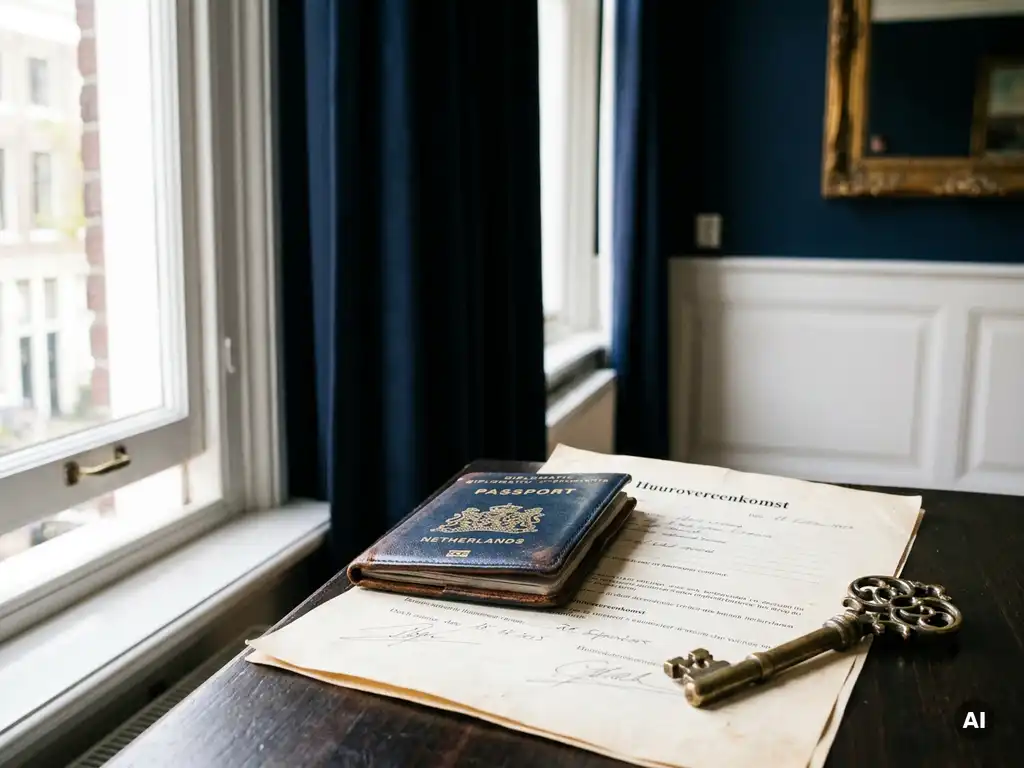
The diplomat clause protects landlords in the Netherlands by allowing them to reclaim their rented property when they return from abroad, provided the clause has been expressly included in the lease agreement and the landlord meets specific legal conditions. Without this clause, Dutch tenancy law grants tenants strong security of tenure, making it very difficult for a landlord to end a rental agreement. The sections below address the most common questions landlords and expats have about how the diplomat clause works in practice.
When can a landlord actually invoke the diplomat clause?
A landlord can invoke the diplomat clause when they wish to return to their property after a period abroad and have included a valid diplomat clause in the original lease agreement. The clause must be invoked by giving the tenant written notice before the agreed end date of the rental period, and the landlord must genuinely intend to reoccupy the property.
In practice, the following conditions must generally be met before a landlord can successfully rely on the clause:
- The diplomat clause was expressly agreed in writing at the time the lease was concluded.
- The landlord occupied the property as their primary residence before renting it out.
- The landlord intends to return to the property for personal use.
- The tenant has been given timely written notice in accordance with the terms agreed in the lease.
One critical practical point: the diplomat clause does not end the tenancy automatically. The landlord must actively terminate the agreement by giving notice within the timeframe specified in the clause. Failing to do so in good time can result in the tenancy continuing, potentially with the full protection of standard Dutch tenancy law applying. Legal advice before invoking the clause is strongly recommended, as the specific circumstances of each situation can affect the outcome.
What must a diplomat clause include to be legally valid?
For a diplomat clause to be legally valid under Dutch law, it must be expressly included in the written lease agreement; it cannot be added verbally or after the lease has been signed. The clause must clearly state that the landlord intends to return to the property and that the tenancy will end upon that return, subject to proper notice.
A well-drafted diplomat clause typically addresses the following elements:
- Express written agreement: The clause must appear in the signed lease, not in a separate informal document.
- Notice period: The clause should specify how much advance notice the landlord must give the tenant before reclaiming the property.
- Landlord’s prior occupation: It should confirm that the landlord previously lived in the property as their main residence.
- Intended return: The clause should reflect the landlord’s genuine intention to reoccupy the property upon return.
- Rental period: The agreed duration of the tenancy should be clearly stated.
A poorly drafted clause, one that is vague, incomplete, or added as an afterthought, risks being unenforceable. Dutch courts interpret tenancy protections strictly, and any ambiguity in the clause is likely to be resolved in the tenant’s favour. Having the clause drafted or reviewed by a specialist in Dutch rent law before signing the lease is an important safeguard for landlords.
Does the diplomat clause apply to social housing and the free market sector?
The diplomat clause applies primarily to properties in the free market rental sector. It is designed for owner-occupiers who temporarily go abroad and wish to rent out their home in the meantime, with the certainty that they can return to it. Social housing, properties rented through housing associations, operates under different rules and the diplomat clause is not typically applicable in that context.
Within the free market sector, the clause can be used for both furnished and unfurnished properties, provided the landlord meets the underlying conditions: prior personal occupation of the property and a genuine intention to return. The clause is particularly relevant for expats renting in the Netherlands who own property elsewhere in the country and need flexibility during an international assignment.
It is also worth noting the distinction between the diplomat clause and the cohabitation clause, introduced on 1 July 2024. The cohabitation clause is a related but separate instrument, specifically designed for homeowners who move in with a partner for the first time and wish to temporarily rent out their former home. Under the cohabitation clause, the landlord can require the tenant to vacate if the landlord wishes to sell the property, but it does not cover the scenario of an unexpected end to the cohabitation. For that situation, a diplomat clause may still be needed alongside the cohabitation clause.
What happens if a tenant refuses to leave after the diplomat clause is invoked?
If a tenant refuses to vacate the property after the landlord has properly invoked the diplomat clause and given valid notice, the landlord must initiate court proceedings to enforce the termination. Dutch law does not permit a landlord to remove a tenant without a court order, even when a diplomat clause is in place.
The landlord will need to demonstrate to the court that:
- The diplomat clause was validly included in the lease.
- Proper and timely notice was given to the tenant.
- The landlord genuinely intends to reoccupy the property.
If the court is satisfied that these conditions are met, it will order the tenant to vacate, typically within a set period. If the tenant still does not leave, enforcement through a bailiff (deurwaarder) becomes possible. The process can be time-consuming and costly, which underscores why a carefully drafted clause and timely notice are so important. The outcome of any individual case will depend on the specific facts and circumstances, and landlords facing a non-compliant tenant should seek legal advice promptly.
How does the diplomat clause differ from other grounds for terminating a tenancy?
The diplomat clause differs from other grounds for terminating a tenancy in that it is a contractual mechanism agreed at the outset of the lease, rather than a statutory ground for termination that arises during the tenancy. It gives the landlord a pre-agreed right to reclaim the property under defined conditions, without needing to prove fault on the tenant’s part or rely on general statutory termination grounds.
Under standard Dutch tenancy law, a landlord wishing to end a residential lease without a diplomat clause must rely on one of the statutory grounds, which include:
- Own use (dringend eigen gebruik): The landlord can demonstrate an urgent personal need to occupy the property, but must prove this need to the court’s satisfaction, a higher and less certain standard than invoking a diplomat clause.
- Tenant default: Non-payment of rent or serious breach of the lease terms.
- Expiry of a fixed-term lease: Under certain conditions introduced in recent years, fixed-term leases can end without grounds, but the rules are specific and have been subject to legislative change.
- Demolition or renovation: Where the property needs to be structurally altered.
The diplomat clause is therefore a more straightforward and predictable route for landlords who know in advance that they will need to return to their property. It avoids the uncertainty of proving “urgent own use” in court and provides both parties with clarity from the start of the tenancy. However, it only functions as intended when it has been correctly drafted and the landlord follows the required notice procedure, making professional legal input at the drafting stage essential.
How Russell Advocaten can assist with the diplomat clause
Russell Advocaten Amsterdam is an internationally oriented law firm with decades of experience advising landlords, tenants, and expats on Dutch rent law and property matters. The firm’s lawyers are fluent in English, German, and Dutch, which makes them well placed to assist international clients navigating the Dutch rental market.
For landlords and expats dealing with diplomat clause questions, Russell Advocaten can assist with:
- Drafting a legally sound diplomat clause tailored to your specific situation.
- Reviewing an existing lease to assess whether the clause is enforceable.
- Advising on the cohabitation clause and which instrument best suits your circumstances.
- Guiding landlords through the notice procedure to avoid procedural errors.
- Representing landlords in court proceedings if a tenant refuses to vacate.
Beyond rent law, Russell Advocaten offers comprehensive legal support to expats in the Netherlands across immigration, setting up a business, employment, contracts, real estate, and family law. The firm is an official partner of IN Amsterdam, the expatriate centre of the City of Amsterdam, and is recommended by the Legal 500 for the quality of its legal services.
If you have questions about the diplomat clause or any other aspect of renting property in the Netherlands, contact Russell Advocaten for a personal consultation.
This information is general in nature and does not constitute legal advice for your specific situation. Please consult a lawyer at Russell Advocaten for advice tailored to your circumstances.
Veelgestelde vragen
Can I add a diplomat clause to an existing lease agreement after it has already been signed?
No — a diplomat clause cannot be added to a lease after it has been signed and the tenancy has already begun. Dutch courts require the clause to have been expressly agreed in writing at the time the original lease was concluded. Attempting to introduce it later, even with the tenant’s informal agreement, is unlikely to be enforceable, so it is essential to have the clause correctly in place before the tenancy starts.
How much notice do I need to give my tenant when invoking the diplomat clause?
The required notice period should be specified in the diplomat clause itself, which is one of the key reasons the clause must be carefully drafted from the outset. In practice, notice periods commonly range from one to three months, but the exact requirement depends on what was agreed in the lease. Giving notice too late — or failing to give it at all before the agreed rental period ends — can result in the tenancy continuing under standard Dutch tenancy law, with its full tenant protections applying.
What if my plans change and I no longer want to return to the property after invoking the clause?
This is a significant risk area for landlords. If you invoke the diplomat clause and subsequently do not return to the property for personal use — for example, because you sell it or rent it to someone else — a court may find that the termination was not made in good faith. This could expose you to a claim for damages from the former tenant. Genuine intention to reoccupy the property is a legal requirement, not merely a formality, so you should only invoke the clause when you are certain of your plans.
Does the diplomat clause protect me if my assignment abroad is extended unexpectedly?
The diplomat clause gives you the right to reclaim your property upon return, but it does not obligate you to return by a specific date. If your assignment is extended, you can typically choose not to invoke the clause during that period and allow the tenancy to continue. However, you must still invoke the clause within the timeframe and conditions set out in the lease when you do decide to return, so it is worth reviewing the specific terms of your clause with a lawyer if your circumstances change significantly.
Can a tenant challenge the validity of a diplomat clause in court?
Yes, a tenant can challenge the clause if they believe it was not properly drafted, was not included in the original signed lease, or that the landlord does not genuinely intend to reoccupy the property. Dutch courts apply strict standards when interpreting tenancy protections, and any ambiguity in the clause will generally be resolved in the tenant’s favour. This is precisely why having the clause professionally drafted and reviewed by a specialist in Dutch rent law before signing is so important for landlords.
Is the diplomat clause relevant for landlords who are Dutch nationals, or only for expats going abroad?
The diplomat clause is available to any landlord — Dutch or foreign — who occupies a property as their primary residence and then temporarily moves abroad, regardless of the reason for the move. While it is commonly associated with expats and diplomats on international assignments, it can equally apply to Dutch nationals relocating abroad for work, study, or personal reasons. The key legal requirements are prior personal occupation of the property and a genuine intention to return to it.
What is the most common mistake landlords make when relying on a diplomat clause?
The most common mistake is failing to give the tenant timely written notice within the deadline specified in the clause. Many landlords assume the tenancy will end automatically at the agreed date, but this is not the case — the clause must be actively invoked through proper notice. Other frequent errors include using a vague or template clause that does not meet Dutch legal requirements, and failing to document the landlord’s prior occupation of the property. Seeking legal advice both at the drafting stage and before invoking the clause significantly reduces these risks.
Gerelateerde artikelen
- How long does it take to get a residence permit in the Netherlands?
- What is VAT registration and do expats need it in the Netherlands?
- Do you need a Dutch bank account to buy property in the Netherlands?
- What support is available for expat entrepreneurs in Amsterdam?
- Can a foreigner start a business in the Netherlands?
Deze inhoud is gegenereerd met behulp van AI en kan fouten bevatten.