

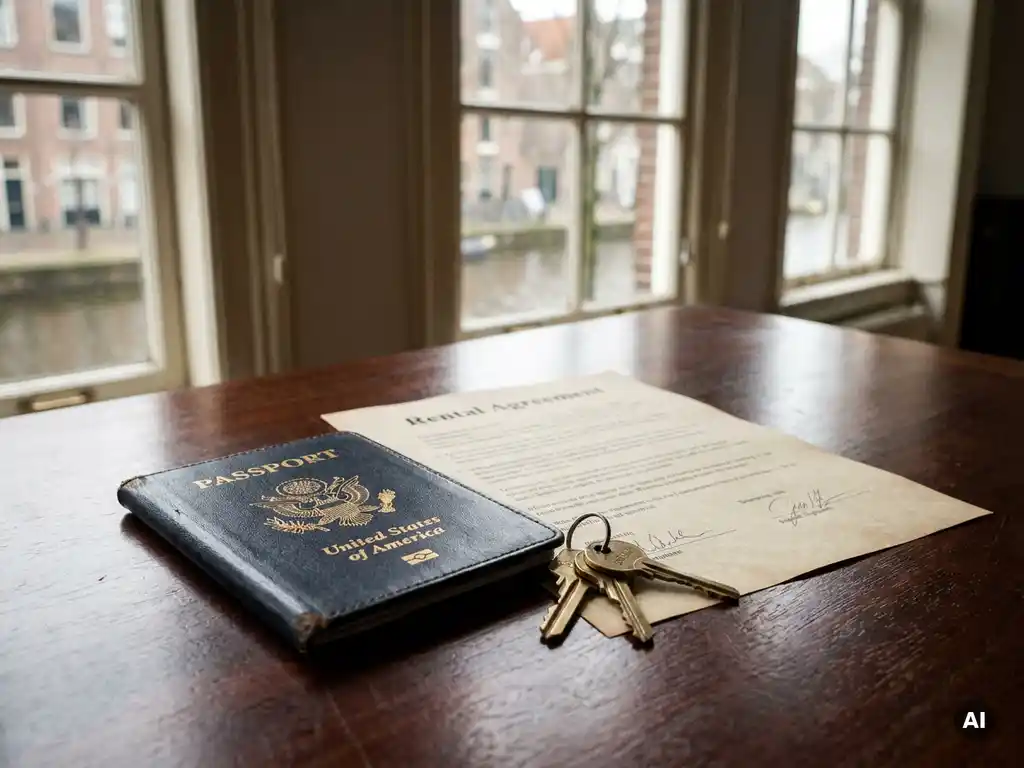
When a landlord invokes the diplomat clause in a Dutch rental contract, the tenant is required to vacate the property within the agreed notice period, typically two to three months. The clause exists to protect landlords who need to return to their own home, and it overrides the standard tenant protections that would otherwise apply under Dutch tenancy law. The sections below address the most common questions tenants and landlords face when this clause is triggered.
When can a landlord actually invoke the diplomat clause?
A landlord can invoke the diplomat clause only when the rental contract explicitly includes it and the landlord genuinely intends to occupy the property as their primary residence. The clause is designed for landlords who temporarily vacate their home, often due to an international posting or relocation abroad, and wish to retain the right to return. Without a legitimate personal need to reoccupy the property, an invocation is unlikely to hold up legally.
Under Dutch law, the diplomat clause is a specific contractual arrangement that must meet several conditions to be valid:
- The clause must be included in the original rental agreement, clearly worded and agreed upon by both parties before the tenancy begins.
- The landlord must have occupied the property as their own home prior to renting it out.
- The landlord must intend to return to the property for personal use, not to re-let it or leave it vacant.
- The clause must specify the conditions under which it can be invoked, including the notice period.
In practice, the diplomat clause is most commonly used by professionals relocating abroad for work, including diplomats, international business executives, and expats temporarily posted overseas. If the landlord’s circumstances do not genuinely reflect a need to reclaim personal residence, a court may set aside the invocation.
What rights does a tenant retain after the clause is invoked?
Even after the diplomat clause is invoked, a tenant retains the right to receive proper written notice, to remain in the property for the full duration of the agreed notice period, and to challenge the invocation if it does not meet the legal requirements. The clause limits, but does not eliminate, tenant protections under Dutch tenancy law.
Specifically, a tenant who receives notice under the diplomat clause is entitled to:
- Full use of the property until the end of the notice period, the landlord cannot demand early departure without the tenant’s consent.
- Written notification of the invocation, setting out the grounds and the date by which the property must be vacated.
- The right to dispute the invocation before a court if the tenant believes the clause was not validly included in the contract or that the landlord’s stated reason is not genuine.
- Protection against unlawful eviction – a landlord cannot physically remove a tenant without a court order, even after the notice period expires.
It is worth noting that Dutch tenancy law generally provides strong protection for tenants. The diplomat clause is one of the few mechanisms that allows a landlord to terminate a residential lease without the tenant’s agreement, which is precisely why the conditions for its use are interpreted strictly.
How much notice must a landlord give under the diplomat clause?
The notice period under the diplomat clause is determined by what is agreed in the rental contract itself. Dutch law does not prescribe a fixed statutory notice period for diplomat clause invocations, but in practice, rental agreements typically set a notice period of two to three months. The agreed period must be reasonable and must be stated clearly in the contract.
If the contract is silent on the notice period, or if the stated period is unreasonably short, a court may apply general principles of reasonableness and fairness to determine what constitutes adequate notice. Tenants who receive very short notice, for example, less than one month, have reasonable grounds to challenge the timeline, even if the clause itself is otherwise valid.
Landlords should ensure that notice is given in writing and that it clearly states the date on which the tenancy is to end. Verbal notice or ambiguous communication can complicate enforcement and give the tenant additional grounds to contest the process. For expats renting in the Netherlands, understanding the notice provisions in their specific contract before signing is particularly important, as the terms can vary considerably between agreements.
What happens if the diplomat clause was not included in the rental contract?
If the diplomat clause was not included in the original rental contract, the landlord cannot invoke it retroactively. Dutch tenancy law provides strong default protections for residential tenants, and a landlord who wishes to terminate a lease without the tenant’s cooperation must rely on one of the statutory grounds for termination, none of which is equivalent to the diplomat clause.
Without the clause, a landlord who wants to reclaim their property for personal use would need to pursue termination through the courts, demonstrating an urgent personal need to occupy the property. This is a more demanding and uncertain process than invoking a contractually agreed diplomat clause, and the outcome depends heavily on the specific circumstances.
This underscores why the diplomat clause must be agreed upon before the tenancy begins. Attempting to add it to an existing contract mid-tenancy requires the tenant’s explicit consent, and a tenant has no obligation to agree. Landlords who anticipate needing to return to their property should ensure the clause is included, properly drafted, and clearly explained to the prospective tenant before the contract is signed.
Can a tenant challenge an invocation of the diplomat clause in court?
Yes, a tenant can challenge an invocation of the diplomat clause in court. Dutch courts will examine whether the clause was validly included in the contract, whether the landlord’s stated reason for invoking it is genuine, and whether the procedural requirements, such as written notice and an adequate notice period, were followed. If any of these elements are deficient, the court may rule the invocation invalid.
Common grounds on which tenants successfully challenge invocations include:
- The clause was not clearly worded or was added to the contract in a way that did not give the tenant a genuine opportunity to understand its implications.
- The landlord does not actually intend to occupy the property personally, for example, if the property is subsequently re-let or sold.
- The notice period given was unreasonably short or the notice was not provided in writing.
- The landlord cannot demonstrate a prior personal connection to the property as their own home.
Challenging an invocation requires prompt action. Tenants who believe the clause has been improperly invoked should seek legal advice as soon as they receive notice, as delays can limit the options available. The outcome of any legal challenge depends on the specific facts of the case, and no general prediction about success can be made without reviewing the contract and circumstances in detail.
How Russell Advocaten can assist with diplomat clause disputes
Russell Advocaten Amsterdam is an internationally oriented law firm with extensive experience in real estate and tenancy law, employment law, contracts, and immigration matters. The firm’s lawyers are equally at ease working in English, German, and Dutch, a practical advantage for expats and international clients navigating the Dutch legal system for the first time.
For tenants and landlords dealing with diplomat clause questions, Russell Advocaten can assist with:
- Reviewing rental contracts to assess whether a diplomat clause is validly drafted and enforceable.
- Advising landlords on the correct procedure for invoking the clause and minimising the risk of a successful legal challenge.
- Representing tenants who wish to dispute an invocation, including assessing the strength of the grounds and advising on realistic outcomes.
- Negotiating between landlord and tenant to reach a practical resolution without court proceedings where possible.
- Advising expats and international clients on their rights and obligations under Dutch tenancy law more broadly.
Whether you are a landlord preparing to return to your property or a tenant who has received notice under a diplomat clause, taking early legal advice is the most effective way to protect your position. Contact Russell Advocaten to discuss your situation with a specialist.
This information is general in nature and does not constitute legal advice for your specific situation. Please consult a lawyer at Russell Advocaten for advice tailored to your circumstances.
Veelgestelde vragen
What should a tenant do immediately after receiving a diplomat clause notice?
The first step is to carefully review your rental contract to verify that the diplomat clause was validly included and clearly worded before you signed. You should then seek legal advice as soon as possible, since acting quickly preserves your options — including the right to challenge the invocation in court. Gathering any written communication from your landlord and documenting the timeline of events will also strengthen your position if a dispute arises.
Can a landlord invoke the diplomat clause if they plan to sell the property instead of living in it?
No. The diplomat clause can only be invoked when the landlord genuinely intends to reoccupy the property as their primary residence. If it later becomes clear that the landlord sold the property, re-let it to another tenant, or left it vacant, a court is likely to find that the invocation was made in bad faith and rule it invalid. Tenants who suspect this is the case should document any evidence and seek legal advice promptly.
Is the diplomat clause the same as a temporary rental contract in the Netherlands?
No, these are two distinct legal arrangements. A temporary rental contract has a fixed end date agreed upon from the start and expires automatically, whereas an open-ended contract containing a diplomat clause can only be terminated when the landlord actively invokes the clause under the specified conditions. Understanding which type of agreement you have signed is essential, as the rules around termination, notice, and tenant rights differ significantly between the two.
What happens if a tenant refuses to leave after the notice period under the diplomat clause expires?
A landlord cannot physically remove a tenant without a court order, even if the notice period has expired and the diplomat clause was validly invoked. The landlord would need to initiate eviction proceedings before a Dutch court, which will then assess whether the invocation was lawful before granting an eviction order. Tenants who remain in the property beyond the notice period without a legal basis to do so, however, risk being ordered to pay damages or additional costs.
How can a landlord make sure their diplomat clause will hold up legally before renting out their property?
Landlords should have the rental contract professionally drafted or reviewed by a tenancy lawyer before signing, ensuring the diplomat clause is clearly worded, specifies a reasonable notice period, and accurately reflects the landlord’s circumstances and intentions. It is equally important to be transparent with the prospective tenant about the clause and its implications, as courts look unfavourably on clauses that were buried in contracts or not genuinely understood by both parties. Keeping records of your prior personal occupation of the property — such as utility bills or municipal registration — can also be valuable evidence if the clause is later challenged.
Does the diplomat clause apply to commercial rental properties as well as residential ones?
No, the diplomat clause as discussed in this context applies specifically to residential rental agreements under Dutch tenancy law. Commercial lease agreements are governed by a different legal framework that does not include the same strong default tenant protections, and termination of commercial leases is handled under separate rules. If you are dealing with a mixed-use or commercial property, it is important to seek advice tailored to that specific type of agreement.
Can both parties agree to waive or modify the diplomat clause after the tenancy has started?
Yes, but only with the explicit written consent of both the landlord and the tenant. Neither party can unilaterally change the terms of an existing rental agreement, and any modification — including waiving the diplomat clause or adjusting the notice period — should be documented in a signed written addendum to the original contract. Verbal agreements about changes to tenancy terms are difficult to enforce and can lead to disputes, so written confirmation is strongly advisable for both parties.
Gerelateerde artikelen
- What is the difference between a work permit and a residence permit in the Netherlands?
- Can expats apply for Dutch citizenship and what are the requirements?
- What neighbourhoods in Amsterdam are most popular with expats?
- How does the diplomat clause protect landlords in the Netherlands?
- What is the difference between an expat or an immigrant?
Deze inhoud is gegenereerd met behulp van AI en kan fouten bevatten.