

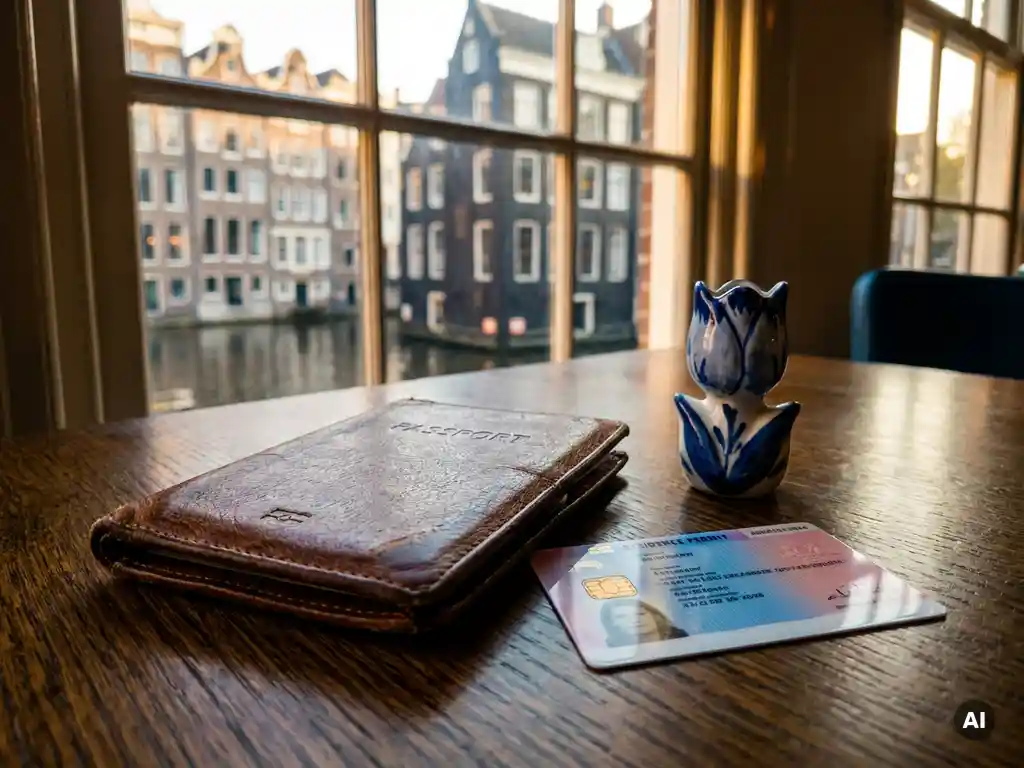
Relocating to the Netherlands is manageable but involves several distinct administrative and legal steps that can feel complex, particularly for those unfamiliar with Dutch bureaucracy. The process is straightforward for EU citizens, but non-EU nationals face additional requirements around visas, residence permits, and registration. The sections below address the most common questions expats in the Netherlands encounter when planning their move.
What makes relocating to the Netherlands complicated?
Relocating to the Netherlands is not inherently difficult, but the process involves multiple overlapping systems, immigration, municipal registration, housing, and employment law, that must be navigated simultaneously. For non-EU nationals in particular, the sequence of steps matters, and delays in one area can affect progress in another.
The main sources of complexity include:
- Visa and permit requirements that vary significantly depending on your nationality, the purpose of your stay, and your employer’s recognition status with the IND (the Dutch Immigration and Naturalisation Service)
- A competitive housing market, especially in Amsterdam, where demand consistently outpaces supply and expats often face additional hurdles such as income verification and limited rental availability
- Municipal registration, which is a legal requirement and a gateway to accessing most public and private services in the Netherlands
- Language barriers in official procedures, even though many Dutch institutions provide English-language support
- Tax arrangements such as the Expat Scheme (30% ruling), which require timely applications and employer involvement
Understanding which steps apply to your specific situation, and in what order, is the most effective way to reduce the complexity of the relocation process.
What visa or permit do you need to live in the Netherlands?
The visa or permit you need to live in the Netherlands depends primarily on your nationality and the purpose of your stay. EU citizens do not need a residence permit or work permit and may live and work in the Netherlands freely. Non-EU nationals must obtain the appropriate permit before or shortly after arrival.
The most common permit categories for expats in the Netherlands include:
- Highly Skilled Migrant permit: For non-EU nationals employed by a recognised IND sponsor. Applicants must meet minimum income thresholds. In 2026, the gross monthly salary requirement (excluding holiday allowance) is set by the IND. The employer applies on the applicant’s behalf.
- EU Blue Card: A residence permit for highly qualified third-country nationals. Your employer applies on your behalf. Unlike the Highly Skilled Migrant permit, your employer does not need to be a recognised sponsor, but the minimum annual salary threshold applies (at least €5,937 gross per month in 2026).
- Residence permit for self-employed persons: Required if you plan to work as a freelancer or run your own business. You must submit a business plan demonstrating that your activity adds substantial value to the Dutch economy, as assessed by the Netherlands Enterprise Agency (RVO).
- Start-up visa: Valid for one year, this permit is designed for foreign entrepreneurs launching an innovative business in the Netherlands. Applicants work with an approved facilitator throughout the permit period.
- Student residence permit: Available to non-EU nationals enrolled full-time at an NVAO- or EQAR-accredited institution that holds IND-recognised sponsor status.
- Family reunification permit: Available to family members of Dutch nationals or permit holders. Processing typically takes around three months.
For those following the TEV procedure from outside the Netherlands, an MVV (authorisation for temporary stay) must first be collected from the Dutch embassy or consulate in the country of residence. Upon arrival, the residence document must be collected from an IND Desk within two weeks. Given the procedural specifics involved, it is advisable to seek qualified legal guidance on which permit applies to your situation.
How does the Dutch registration system (BSN) work?
All internationals staying in the Netherlands for more than three months are required to register at their local municipality (gemeente). Upon registration, you are entered into the BRP (Personal Records Database) and issued a BSN, a citizen service number (Burgerservicenummer). The BSN is essential for virtually every aspect of daily life in the Netherlands.
Without a BSN, you cannot open a Dutch bank account, sign an employment contract, access healthcare, or arrange utilities. For expats in Amsterdam, registration is typically completed at the city’s civil affairs department, and an appointment is usually required.
EU citizens who intend to stay longer than four months must register at the municipality, even though they do not require a formal residence permit. For non-EU nationals, registration at the municipality is linked to the IND residence permit process: you must have a valid permit before you can register.
Some non-EU nationals are also required to complete a tuberculosis test within three months of permit approval, and certain permit holders will receive a letter from DUO (the Dutch Ministry of Education, Culture and Science) outlining integration examination requirements. These are additional obligations that run alongside the registration process and should be factored into your planning timeline.
How difficult is it to find housing in the Netherlands as an expat?
Renting a house in the Netherlands as an expat is one of the most practically challenging aspects of relocating, particularly in Amsterdam. Demand significantly outpaces supply in major cities, and landlords often apply strict income criteria, typically requiring a gross monthly income of at least three to four times the monthly rent.
Several factors make the housing search more demanding for international newcomers:
- Many landlords require proof of Dutch employment or a Dutch employer’s guarantee letter, which can be difficult to provide before you have started your role
- The private rental market in Amsterdam is competitive, with desirable properties often receiving multiple applications within days of listing
- Short-term furnished rentals exist but tend to carry a significant price premium
- Social housing (sociale huur) is generally not accessible to recent arrivals due to long waiting lists
If you are considering purchasing rather than renting, the process involves additional steps. It is worth consulting a mortgage adviser, as they can compare offers from multiple lenders and guide you through the application. When viewing properties, visit during daylight hours to assess the condition accurately, inspect the neighbourhood at different times of day, and avoid becoming emotionally attached to a single property. This helps maintain a rational position during negotiations.
For those without the time to manage the search independently, engaging a real estate agent (makelaar) can be a practical solution. An experienced agent familiar with the Amsterdam market can significantly reduce the time and uncertainty involved in securing suitable accommodation.
What legal steps are required when moving to the Netherlands for work?
Moving to the Netherlands for work involves a sequence of legal steps that go beyond simply obtaining a visa. The precise steps depend on your nationality and employment situation, but the following framework applies to most non-EU nationals relocating for employment.
- Confirm your employer’s IND recognition status. For the Highly Skilled Migrant route, your employer must be a recognised IND sponsor. Only recognised organisations can submit permit applications on behalf of incoming employees.
- Apply for the appropriate residence permit. Your employer typically initiates this process. If you are outside the Netherlands, you may need to follow the TEV procedure and collect an MVV from the Dutch embassy before travelling.
- Register at the municipality and obtain your BSN. This must be done within the required timeframe after arrival and is a prerequisite for employment-related formalities.
- Apply for the Expat Scheme (30% ruling) if eligible. The 30% ruling in the Netherlands allows qualifying expats to receive up to 30% of their gross salary as a tax-free allowance. To qualify in 2026, your annual salary must exceed €48,013 (or €36,497 if you are under 30 with a Dutch master’s degree or equivalent). You must have been recruited from outside the Netherlands and must have lived more than 150 kilometres from the Dutch border for at least 16 of the 24 months prior to starting work. Applications must be submitted jointly by the employer and employee.
- Ensure your employment contract complies with Dutch labour law. Dutch employment law is detailed and protective of employees. Contracts, probationary periods, notice requirements, and collective labour agreements (CAO) are all governed by specific rules.
If you are relocating as a self-employed professional or entrepreneur, additional steps apply, including registration with the Chamber of Commerce (Kamer van Koophandel) and, where relevant, assessment by the RVO. The legal framework for expats working in the Netherlands is multifaceted, and professional legal advice is strongly recommended to ensure compliance from the outset.
Where can international newcomers get official relocation support in Amsterdam?
International newcomers in Amsterdam can access official support through IN Amsterdam, the expat centre of the City of Amsterdam. IN Amsterdam provides a single-point service for registration, permit-related queries, and general orientation for internationals relocating to the Dutch capital. It serves as a practical first stop for many of the administrative steps described in this article.
Beyond IN Amsterdam, the following sources of support are relevant for expats in Amsterdam:
- The IND (Immigration and Naturalisation Service): The primary authority for residence and work permits. IND Desks operate by appointment only.
- The local municipality (gemeente): Handles BRP registration and BSN issuance
- DUO (the Dutch Ministry of Education, Culture and Science): Manages integration examination requirements where applicable
- The Netherlands Enterprise Agency (RVO): Relevant for self-employed professionals and entrepreneurs applying for a residence permit based on business activity
- Qualified legal counsel: For complex situations involving employment law, family reunification, permit appeals, or business set-up, professional legal advice is the most reliable form of support
How Russell Advocaten helps expats relocating to the Netherlands
Russell Advocaten Amsterdam is an internationally oriented law firm with decades of experience advising expats on the legal aspects of living, working, and doing business in the Netherlands. The firm’s lawyers communicate fluently in English, German, and Dutch, making them well placed to support international clients navigating an unfamiliar legal system.
Russell Advocaten is an official partner of IN Amsterdam, the expat centre of the City of Amsterdam, a relationship that reflects the firm’s long-standing commitment to the international community in the Dutch capital.
The firm’s expat services are broad and practical in scope, covering:
- Guidance on residence and work permit procedures and the applicable legal framework
- Advice on the Expat Scheme (30% ruling) and other arrangements relevant to highly skilled migrants
- Support with setting up a business in the Netherlands, including self-employed and start-up structures
- Employment law advice, including contract review, collective agreements, and dismissal procedures
- Real estate and rental law, including lease review and landlord-tenant disputes
- Family law matters, including family reunification and international family situations
Russell Advocaten also regularly organises workshops on Dutch law for expats and has been recommended by The Legal 500 for many years. Through its membership of the Primerus network, comprising some 3,000 lawyers in 40 countries, the firm can also assist with cross-border legal matters that extend beyond the Netherlands.
If you are relocating to the Netherlands and would like to understand your legal position before you arrive, or once you are here, contact Russell Advocaten to discuss your situation with an experienced international lawyer.
This information is general in nature and does not constitute legal advice for your specific situation. For advice tailored to your circumstances, please consult a lawyer at Russell Advocaten.
Veelgestelde vragen
How long does it typically take to complete the full relocation process in the Netherlands, from permit application to BSN registration?
The timeline varies depending on your permit type and individual circumstances, but non-EU nationals should generally budget two to four months from the initial permit application to full registration and readiness to work. The Highly Skilled Migrant permit is typically processed within two weeks once submitted by a recognised IND sponsor, while family reunification permits can take up to three months. Delays in housing — particularly in Amsterdam — can further extend your practical settling-in period, so it is advisable to begin the process well before your intended start date.
Can I start working in the Netherlands while my residence permit application is still being processed?
In most cases, non-EU nationals cannot legally commence employment in the Netherlands until their residence permit has been granted and they have collected their residence document from an IND Desk. Starting work before the permit is approved can jeopardise the application and expose both you and your employer to legal risk. Your employer’s HR or legal team should be able to confirm the exact conditions of your specific permit category, and seeking independent legal advice is strongly recommended if there is any uncertainty.
What happens if I miss the deadline to apply for the 30% ruling after starting work in the Netherlands?
The 30% ruling application must be submitted within four months of your first working day in the Netherlands to be applied from your start date. If you miss this window, you can still apply, but the tax-free allowance will only take effect from the first day of the month following the date your application was submitted — meaning you could lose out on several months of tax benefit. Since the application must be made jointly by you and your employer, it is important to raise this with your employer as early as possible and not assume they will initiate the process automatically.
What are the most common mistakes expats make when searching for rental housing in the Netherlands?
One of the most frequent mistakes is underestimating how quickly properties are taken off the market, particularly in Amsterdam — waiting to view a property or delaying a decision by even a day or two can result in losing it. Another common error is not having the required documentation ready in advance, such as employer guarantee letters, recent payslips, and proof of identity, which landlords typically request immediately upon expressing interest. Expats also sometimes overlook the importance of carefully reviewing lease terms before signing, particularly clauses around service costs, maintenance responsibilities, and early termination conditions, which is where a legal review can prevent costly disputes later.
Do I need to learn Dutch to successfully manage the relocation process and live in the Netherlands?
You do not need to speak Dutch to navigate the relocation process, as most official bodies — including the IND, IN Amsterdam, and major municipalities — provide English-language services and documentation. However, certain permit holders are legally required to pass a Dutch civic integration examination (inburgeringsexamen) within a set timeframe, and failure to do so can have consequences for permit renewal. Beyond legal obligations, developing at least a basic understanding of Dutch will meaningfully improve your day-to-day experience, particularly when dealing with local services, housing contracts, or neighbourhood-level administration.
Can my family members join me in the Netherlands, and what permits do they need?
Yes, family members can generally join you in the Netherlands through the family reunification permit, which is available to spouses, registered partners, and dependent children of Dutch nationals and valid permit holders. The processing time is typically around three months, and your family members will need to meet certain conditions, including a basic Dutch language requirement in some cases. It is important to note that your own permit must be valid and your income must meet the applicable threshold to sponsor a family reunification application, so timing and financial eligibility should be assessed carefully before submitting.
What should I do if my residence permit application is refused or my permit is not renewed?
If the IND refuses your application or declines to renew your permit, you have the right to object (bezwaar) and, if necessary, to appeal the decision before an administrative court. The objection period is typically four weeks from the date of the refusal decision, and missing this deadline can result in losing your right to challenge the outcome. Given the significant personal and professional consequences of a refused or lapsed permit, it is strongly advisable to engage an experienced immigration lawyer as soon as you receive a negative decision, as early legal intervention significantly improves the prospects of a successful challenge.
Gerelateerde artikelen
- How does relocation to the Netherlands affect your home country taxes?
- What is IN Amsterdam and how can it help expats?
- Do you still have to file taxes if you are an expat?
- Can a foreigner start a business in the Netherlands?
- What is the 5-year rule in the Netherlands?
Deze inhoud is gegenereerd met behulp van AI en kan fouten bevatten.