

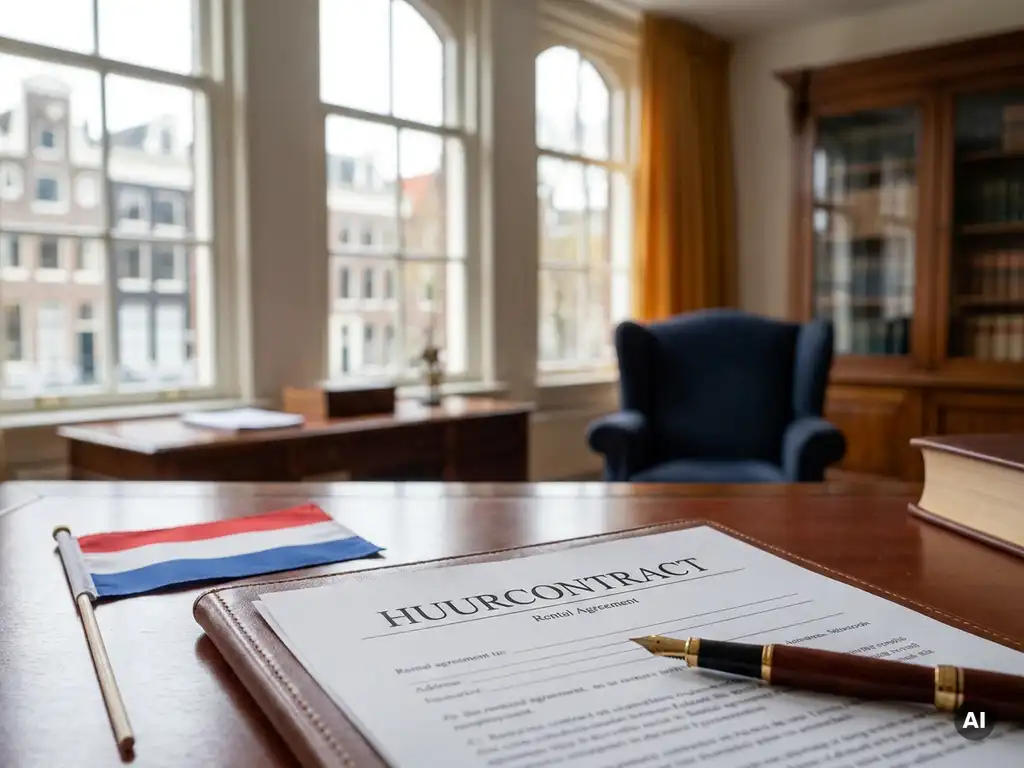
A diplomat clause in a Dutch rental agreement is a contractual provision that allows a landlord to reclaim their property before the end of a fixed-term tenancy, specifically when they need to return to live in the property themselves. It is most commonly used by landlords who are temporarily working or living abroad and wish to rent out their home in the Netherlands during that period, while retaining the right to move back in. The sections below address the most important questions landlords and tenants encounter when dealing with this clause.
Who can invoke a diplomat clause in the Netherlands?
A diplomat clause can be invoked by a landlord who included the clause in the original rental agreement and who genuinely needs to reoccupy the property as their primary residence. Despite its name, the clause is not limited to diplomats or embassy staff. Any landlord who temporarily vacates their home and rents it out may use it, provided the clause was validly agreed upon at the outset of the tenancy.
In practice, the clause is frequently used by professionals relocating abroad for work, including those on international assignments, secondments, or postings. Landlords who are expats in the Netherlands and need to return to their home country also encounter this provision regularly, though typically from the tenant’s perspective. The key requirement is that the landlord’s intention to return and reoccupy the property must be genuine and demonstrable, not merely a pretext to end an inconvenient tenancy.
How does a diplomat clause protect a landlord in the Netherlands?
A diplomat clause protects a landlord by creating a contractual exception to the strong tenant protections that Dutch housing law ordinarily provides. Under standard Dutch tenancy law, a landlord cannot simply terminate a rental agreement because they wish to use the property themselves. The diplomat clause, when validly included, allows the landlord to give notice and reclaim the property within an agreed timeframe, without needing to go through the full legal procedure for terminating a tenancy.
Dutch tenancy law is notably tenant-friendly. Without a diplomat clause, a landlord who wants to end a rental agreement to move back into their own home must demonstrate an urgent personal need and follow a court procedure that can be lengthy and uncertain. The diplomat clause bypasses this by establishing the landlord’s right to return as a pre-agreed contractual term. This gives landlords who are temporarily abroad the confidence to rent out their property, knowing they can reclaim it when their circumstances change.
It is important to note that the clause does not override all tenant protections. The landlord must still provide adequate notice, and the clause must meet specific legal requirements to be enforceable. Where those requirements are not met, the clause may be set aside, and the standard rules of Dutch tenancy law will apply.
What are the legal requirements for a valid diplomat clause?
For a diplomat clause to be legally valid under Dutch law, several conditions must be satisfied at the time the rental agreement is concluded. The most important requirements are as follows:
- The landlord must have actually lived in the property before renting it out. The clause is intended for landlords who are temporarily vacating their own home, not for professional landlords or investors who have never occupied the property.
- The clause must be included in the original rental agreement and clearly state the landlord’s intention to return. It cannot be added retrospectively.
- The rental agreement must be for a fixed term, and the diplomat clause must specify the conditions and notice period under which the landlord may invoke it.
- The landlord’s intention to return must be genuine. If a court finds that the clause was used as a pretext to circumvent tenant protections, it may be declared void.
- The agreed notice period must be respected. The landlord must give the tenant sufficient advance notice, as specified in the agreement, before requiring them to vacate.
Because the validity of the clause depends on how it is drafted and the specific circumstances of each case, the precise wording of the clause is critical. A poorly drafted clause may not hold up if challenged. Depending on the specific situation, professional legal advice at the drafting stage can prevent significant difficulties later.
What happens when a diplomat clause is invoked?
When a landlord invokes a diplomat clause, they formally notify the tenant that they intend to return to the property and that the tenancy will end on the agreed date. The tenant is then required to vacate the property by that date, subject to the notice period stipulated in the agreement.
In practice, the process typically unfolds as follows:
- The landlord sends a written notice to the tenant, invoking the diplomat clause and stating the intended return date.
- The tenant is given the notice period specified in the agreement to arrange alternative accommodation and vacate the property.
- If the tenant refuses to leave, the landlord may need to initiate legal proceedings to enforce the clause. In such proceedings, a court will assess whether the clause was validly agreed upon and whether the landlord’s intention to return is genuine.
- If the clause is found to be valid and the landlord’s need is genuine, the court will order the tenant to vacate. If the clause is found to be defective or the landlord’s stated reason is not credible, the court may refuse to enforce it.
It is worth noting that even where a diplomat clause is invoked correctly, disputes can arise. Tenants may challenge the landlord’s stated intention to return, particularly if they have reason to believe the property will be re-let rather than reoccupied. In such cases, the outcome will depend on the specific facts and the quality of the evidence presented.
What is the difference between a diplomat clause and a break clause?
A diplomat clause and a break clause are both mechanisms for ending a tenancy early, but they serve different purposes and operate under different conditions. The key distinction is that a diplomat clause is specifically tied to the landlord’s personal need to reoccupy the property, whereas a break clause is a more general right for one or both parties to terminate the agreement at a specified point, without requiring a particular reason.
A break clause may be exercised by the landlord, the tenant, or both, depending on how it is drafted, and it does not require the landlord to demonstrate any personal need to use the property. It simply provides a contractual exit point after a defined period. A diplomat clause, by contrast, is grounded in the landlord’s genuine intention to return to their own home. If that intention cannot be demonstrated, the clause cannot be validly invoked.
In the Dutch rental market, break clauses are less common in residential tenancies than diplomat clauses, partly because Dutch law already provides strong tenant protections that limit the circumstances in which a landlord can terminate a tenancy. The diplomat clause is a recognized and well-established mechanism within Dutch housing law, whereas break clauses in residential leases may face greater scrutiny as to their enforceability, depending on how they are structured.
Should a landlord always include a diplomat clause in a Dutch rental contract?
Not every landlord needs a diplomat clause, but for landlords who are temporarily relocating abroad and intend to return to their property, including one is strongly advisable. Without it, a landlord who wishes to reoccupy their home at the end of an assignment or posting may find themselves unable to do so without lengthy and uncertain legal proceedings.
A diplomat clause is most appropriate in the following situations:
- The landlord is moving abroad temporarily for work, a secondment, or an international posting.
- The property is the landlord’s primary residence, to which they intend to return.
- The landlord wants certainty that they can reclaim the property within a defined timeframe.
For professional landlords or investors who do not intend to live in the property themselves, a diplomat clause is not appropriate and would not be legally valid. Including it in such circumstances could create legal complications rather than provide protection.
Even where a diplomat clause is appropriate, the specific wording matters considerably. A clause that does not meet the legal requirements, or that is ambiguously drafted, may not be enforceable when it is needed most. In practice, this means that landlords should seek legal advice when drafting the rental agreement, rather than relying on standard templates that may not reflect their particular circumstances.
How Russell Advocaten can assist with diplomat clauses in Dutch rental agreements
Russell Advocaten Amsterdam is an internationally oriented law firm with extensive experience in real estate and tenancy law, as well as in advising expats and international clients on legal matters in the Netherlands. The firm’s lawyers are fluent in English, German, and Dutch, which makes them well placed to assist landlords and tenants who are navigating the Dutch rental market in an international context.
For landlords and tenants dealing with diplomat clauses, Russell Advocaten can assist with:
- Drafting or reviewing a diplomat clause to ensure it meets the legal requirements under Dutch law.
- Advising landlords on whether a diplomat clause is appropriate for their specific situation.
- Assisting tenants who have received a notice invoking a diplomat clause and wish to understand their rights.
- Representing clients in disputes where the validity or enforceability of a diplomat clause is at issue.
- Providing broader legal support on real estate matters, including rental agreements, property transactions, and tenancy disputes.
Whether you are a landlord preparing to rent out your home before relocating abroad, or a tenant who has received notice under a diplomat clause, professional legal advice can make a significant difference to the outcome. Contact Russell Advocaten to discuss your situation with an experienced Dutch real estate lawyer.
This information is general in nature and does not constitute legal advice for your specific situation. Please consult a lawyer at Russell Advocaten for advice tailored to your circumstances.
Veelgestelde vragen
Can a tenant refuse to leave after a diplomat clause has been invoked?
A tenant can refuse to vacate, but doing so puts them at significant legal risk. If the diplomat clause is validly drafted and the landlord’s intention to return is genuine, a Dutch court will typically order the tenant to leave. Refusing to comply with a valid invocation can result in a court-enforced eviction and potential liability for the landlord’s legal costs, so tenants who have doubts about the clause’s validity should seek legal advice before simply refusing to move out.
What notice period should a landlord give when invoking a diplomat clause?
The required notice period is determined by what is specified in the rental agreement itself, so there is no single statutory answer. In practice, notice periods of two to three months are common, giving the tenant reasonable time to find alternative accommodation. Whatever period is agreed upon must be strictly respected — giving less notice than stipulated in the agreement can undermine the enforceability of the clause and expose the landlord to a legal challenge.
What happens if the landlord invokes the diplomat clause but then does not actually move back in?
If a landlord invokes the diplomat clause but subsequently re-lets the property or fails to reoccupy it, the tenant may have grounds to claim damages or challenge the eviction as unlawful. Dutch courts take a dim view of landlords who use the clause as a pretext to end a tenancy for other reasons, such as finding a higher-paying tenant. In such cases, the landlord may be ordered to pay compensation to the former tenant, making it essential that the stated intention to return is genuine and can be substantiated.
Can a diplomat clause be added to an existing rental agreement, or does it have to be included from the start?
A diplomat clause must be included in the original rental agreement — it cannot be added retrospectively once the tenancy has already begun. This is one of the core legal requirements for the clause to be valid under Dutch law. Landlords who failed to include the clause at the outset and now wish to reclaim their property will need to rely on other legal grounds, such as demonstrating urgent personal need through a court procedure, which is considerably more difficult and uncertain.
Does a diplomat clause guarantee that a landlord can always reclaim their property?
No, a diplomat clause does not provide an absolute guarantee. Its enforceability depends on whether it was correctly drafted, whether the landlord genuinely lived in the property before renting it out, and whether the landlord’s stated reason for returning is credible. A court can set aside the clause if any of these conditions are not met. This is why precise drafting and professional legal advice at the outset are so important — a poorly worded clause may offer far less protection than the landlord expects.
As a tenant, how can I verify whether the diplomat clause in my rental agreement is legally valid?
The best way to assess the validity of a diplomat clause in your agreement is to have it reviewed by a Dutch tenancy lawyer. Key things to look for include whether the clause clearly states the landlord’s intention to return, whether a specific notice period is defined, and whether the landlord can demonstrate they previously lived in the property as their primary residence. If any of these elements are missing or ambiguous, the clause may be unenforceable, and a lawyer can advise you on your rights before you take any action.
What should a landlord do if their plans change and they no longer need to return to the property?
If a landlord’s circumstances change and they no longer intend to return — for example, if their international assignment is extended — they should communicate this to the tenant as early as possible and refrain from invoking the diplomat clause. Invoking the clause without a genuine intention to reoccupy the property is legally risky and could result in a damages claim. The landlord and tenant may also wish to renegotiate the terms of the tenancy in light of the changed situation, ideally with legal guidance to ensure any new agreement is properly documented.
Gerelateerde artikelen
- What permits do you need to start a business in the Netherlands as a non-EU citizen?
- What is VAT registration and do expats need it in the Netherlands?
- How do Dutch tenant protection laws affect expats?
- Can expats choose which country's law governs their marriage in the Netherlands?
- How much does an immigration lawyer cost in the Netherlands?
Deze inhoud is gegenereerd met behulp van AI en kan fouten bevatten.