


Paul is a highly experienced, creative and tenacious litigator
paul.russell@russell.nl +31 20 301 55 55Paul W.L. Russell, LL.M., specialist in Art & Law, pursued in the programme “Spitsuur” by BNR News Radio the question where the Crimea art treasures should be returned to – Ukraine or Russia?
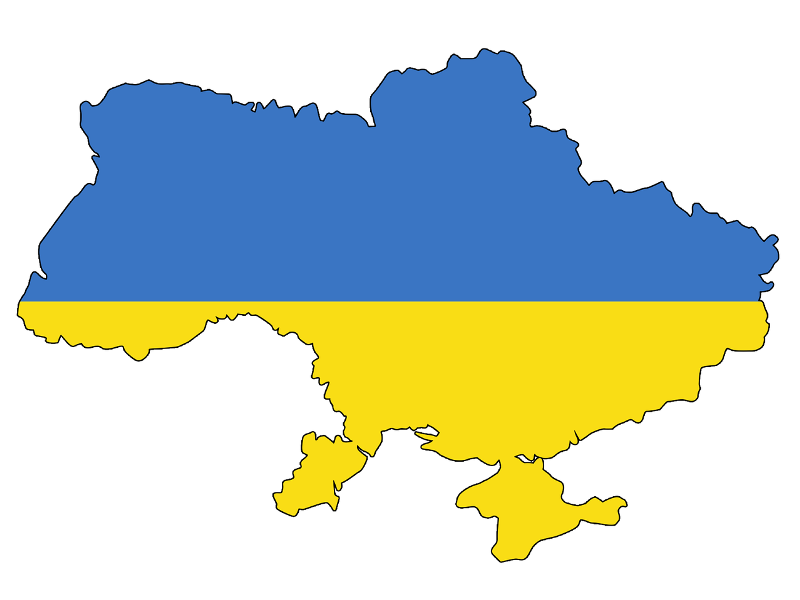
On 6 October 2016, there was an important hearing in the court case on the Crimea art treasures. After the exhibition “The Crimea: Gold and Secrets of the Black Sea” at the Allard Pierson Museum in Amsterdam a dispute arose on which State the artefacts should be returned to – Ukraine or Russia? Paul W.L. Russell, specialist in Art & Law, discussed in the programme “Spitsuur” by BNR News Radio the importance of loan agreements, guarantees by the Dutch State, and international conventions to answer this question.
Listen to the broadcast here: (in Dutch)
Russell Advocaten has been leader in the field of art and law for many years. The international aspects of art matters form an integral part of our practice.
On 16 July, the Amsterdam Court of Appeal rendered an interlocutory judgement in the matter of the Crimean gold. What does the judgement mean and what consequences does it have for the further handling of this politically highly sensitive issue?
Why is the District Court of the opinion that the artefacts held by the Allard Pierson museum must be handed over to Ukraine? Does this mean the Crimea museums will definitely not get the works of art?
The Holocaust Expropriated Art Recovery Act (HEAR Act) of 2016 has recently undergone significant amendments. This could have major implications for anyone wishing to export, trade or loan art dating from before 1946 to the United States. What do art dealers, collectors and museums need to bear in mind from now on?
When a debtor refuses to pay despite reminders and demand letters, stronger measures will be necessary to secure a claim. One of the most effective instruments in Dutch debt recovery is attachment. How can a creditor secure such an attachment?
Would you like to know whether you can establish your business on a particular plot of land and what conditions the buildings must meet? Then the zoning plan is the first document you should consult.
As of 1 January 2026, the Money Laundering and Terrorist Financing (Prevention) Act (Wwft) will change. Cash payments of EUR 3,000 or more will then be prohibited. What does this mean for the retail sector and the art trade?
