


Paul is a highly experienced, creative and tenacious litigator
paul.russell@russell.nl +31 20 301 55 55The provenance research regarding looted art in Dutch museums has been largely completed. What are the results and how can you, as a heir, submit a claim?
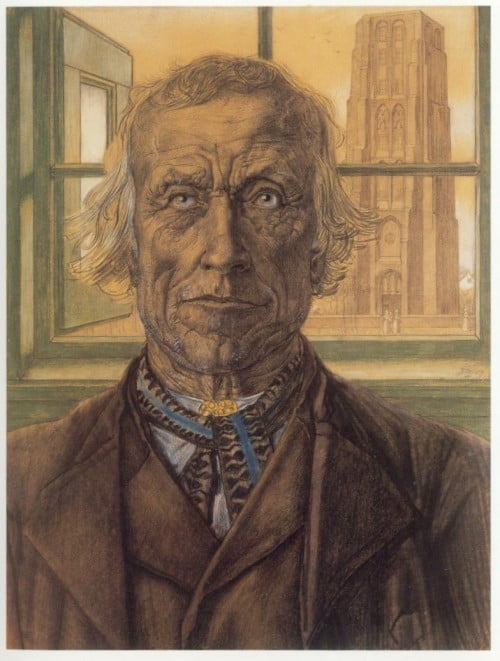
The project “Museale verwervingen na 1933” (Museum acquisitions after 1933) has largely been completed. Research was carried out regarding the provenance of collections of all museums, except for the Rijksmuseum. As a result, the provenance of van 170 objects is suspicious, according to Dutch media nu.nl and Trouw.
What can heirs do if they have a claim to one of these 170 objects? First of all, they can contact the museum about the possibility of restitution or whether justice regarding their property can be done any other way. Regarding national museums, a request will have to be made to the Minister of Education, Culture and Science. To non-national museums applies that if parties will not be able to come to an agreement, the issue must be presented to the Restitution Committee for binding advice. Such requests have to be well-substantiated, of course. Russell Advocaten has vast experience with such requests and will gladly be of service to you and help you submit a well-founded request with a reasonable chance to reach a result.
One of the museums that has recently carried out provenance research of its collection is the Museum Boijmans Van Beuningen. It turned out that it has about 30 suspicious objects, six of which have been returned. One of these “returned” art works – which is specifically mentioned in the article in Trouw – is the drawing “Faith in God” by Jan Toorop. Thanks to the commitment of Russell Advocaten it was returned to the heirs of the original Jewish owners, Ernst and Gertrude Flersheim, well before the museum had started to check its collection. In the restitution of another work by Jan Toorop that was among the collection of Museum Boijmans Van Beuningen, “De Theems”, we also successfully assisted the heirs Flersheim in the proceedings before the Restitution Committee.
In response to the research, the Museum Boijmans Van Beuningen organises an exhibition regarding the fates of the museum during the years 1935 to 1958 from 13 October 2018 up to and including 27 January 2019.
Would you like to learn more about looted art and the possibilities for restitution? Do you have a claim or are you looking for assistance to submit it? Or do you have any other questions regarding art and law? Please contact us:
Do colonial artefacts from 55 African countries have to be returned by museums in the Netherlands and beyond? If so, what is the (legal) basis for restitution?
The Holocaust Expropriated Art Recovery Act (HEAR Act) of 2016 has recently undergone significant amendments. This could have major implications for anyone wishing to export, trade or loan art dating from before 1946 to the United States. What do art dealers, collectors and museums need to bear in mind from now on?
When a debtor refuses to pay despite reminders and demand letters, stronger measures will be necessary to secure a claim. One of the most effective instruments in Dutch debt recovery is attachment. How can a creditor secure such an attachment?
Would you like to know whether you can establish your business on a particular plot of land and what conditions the buildings must meet? Then the zoning plan is the first document you should consult.
As of 1 January 2026, the Money Laundering and Terrorist Financing (Prevention) Act (Wwft) will change. Cash payments of EUR 3,000 or more will then be prohibited. What does this mean for the retail sector and the art trade?
Since 28 June 2025, a new EU regulation requires anyone wishing to import cultural goods into the EU to have an import licence or submit an importer statement. When is which type of document required? How does it affect art dealers, galleries, auction houses and collectors, both inside and outside the EU?
