


Reinier advises national and international companies
reinier.russell@russell.nl +31 20 301 55 55Paul is a highly experienced, creative and tenacious litigator
paul.russell@russell.nl +31 20 301 55 55Russell Advocaten regularly publishes books and has its own book series. On this page you can find an overview of the books we have published since 1989.

 Dealing with the Dutch – Expat edition (2018)
Dealing with the Dutch is a practical and concise introduction to Dutch law for those dealing with the Dutch. It covers the most important regulations for expats who start working and living in the Netherlands and for entrepreneurs wishing to set up a company. Dealing with the Dutch is also useful for those who are already working, living and doing business in this country.
 Dealing with the Dutch (2015)
Dealing with the Dutch is a practical and concise introduction to Dutch business law for anyone who deals with the Dutch and Dutch law. It covers the most important regulations for entrepreneurs who wish to set up a company in the Netherlands and for those who are already doing business in this country.
 Handbook Dismissal Law (2012)
Dismissal law is often seen as a complicated area of law. This second edition of the Handbook Dismissal Law provides a systematic overview of Dutch dismissal law, focusing on its application in practice. The book not only contains the laws and regulations and background of dismissal law, but also clarifies these through numerous of examples. The handbook is written by the employment law specialists of Russell Advocaten.
 Dealing with the Dutch (2012)
Dealing with the Dutch is a practical and concise introduction to Dutch business law for anyone who deals with the Dutch and Dutch law. It covers the most important regulations for entrepreneurs who wish to set up a company in the Netherlands and for those who are already doing business in this country.
 Handbook Dismissal Law (2009)
Dismissal law is often seen as a complicated area of law. The Handbook Dismissal Law provides a systematic overview of Dutch dismissal law, focusing on its application in practice. The book not only contains the laws and regulations and background of dismissal law, but also clarifies these through numerous of examples. The handbook is written by the employment law specialists of Russell Advocaten.
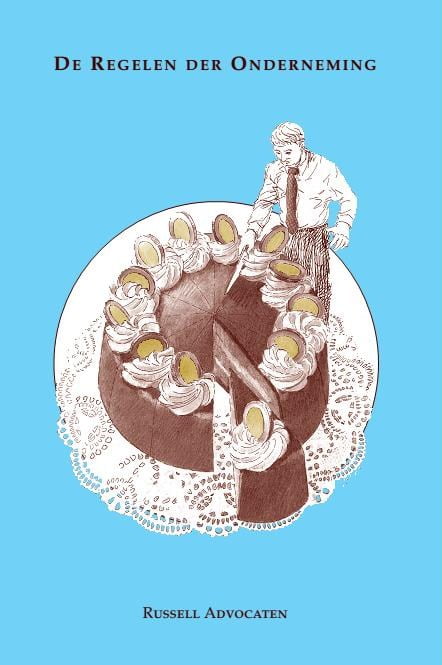 The Rules of Business (2008)
In The Rules of Business, a number of important topics about law and the business sector are discussed by the lawyers of Russell Advocaten. Not only specific corporate law questions such as the incorporation of the company and the requirements of corporate governance are discussed, but also matters such as the legal position of the director/major shareholder in the event of divorce, and the leasing and letting of business premises.
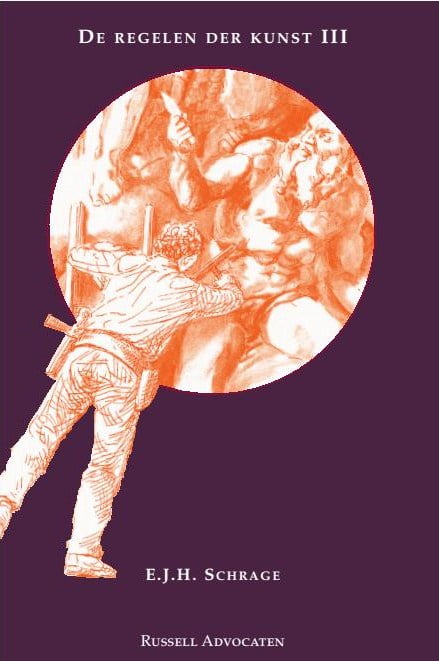 The Rules of Art III (2007)
This third collection of essays deals again with several topics from the broad field of art and law. This time it focuses on the question when an object is art and enjoys the related legal protection, the restitution of war-looted art, the problems that arise when a work of art turns out not to be what it was sold as, and the legal position of the restorer.
Dealing with the Dutch (2006)
Dealing with the Dutch is an introduction to the most important legal rules for entrepreneurs who wish to set up a company in the Netherlands as well as for those who already do business with the Dutch. The book covers such diverse themes as commercial contracts, the status of diplomatic missions and corporate governance.
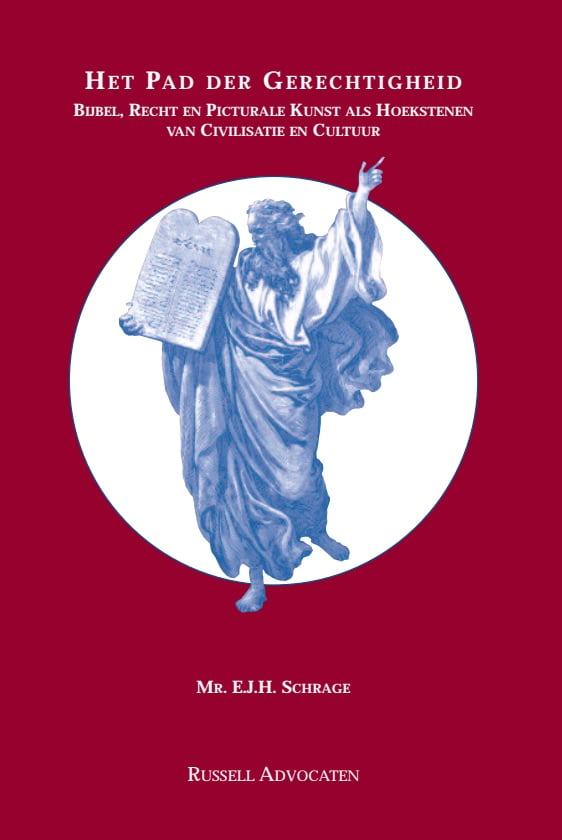 The Path of Justice (2005)
The Path of Justice starts with several essays about the effect of Bible stories on the law of persons, family law and procedural law. Following is a discussion of various parables from the New Testament from a legal perspective. The richly illustrated book concludes with an article about what is perhaps the most famous trial in world history: the Jesus Trial.
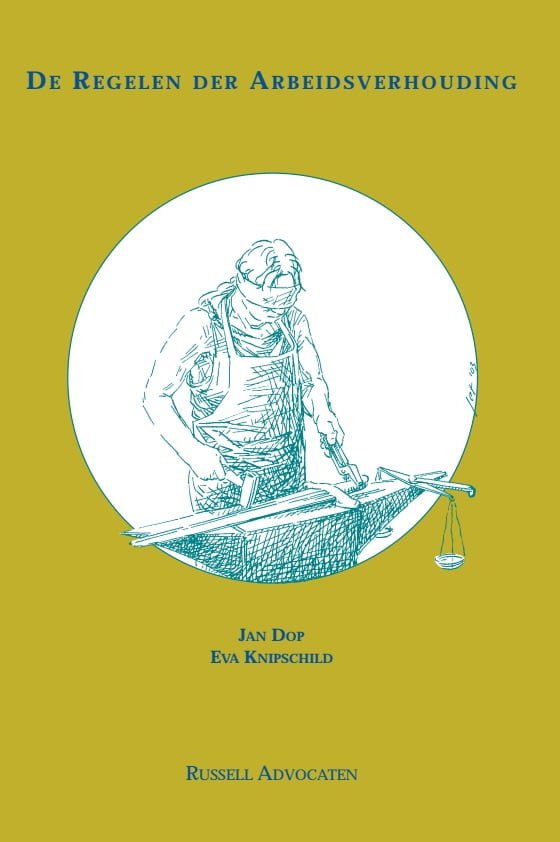 The Rules of the Employment Relationship (2004)
This book deals with nineteen employment law topics. Many practical examples highlight issues such as probationary period, transfer of the enterprise, relationships at work, employer liability and international employment law. The Rules of the Employment Relationship provides a compact, easy-to-read introduction to a large part of employment law.
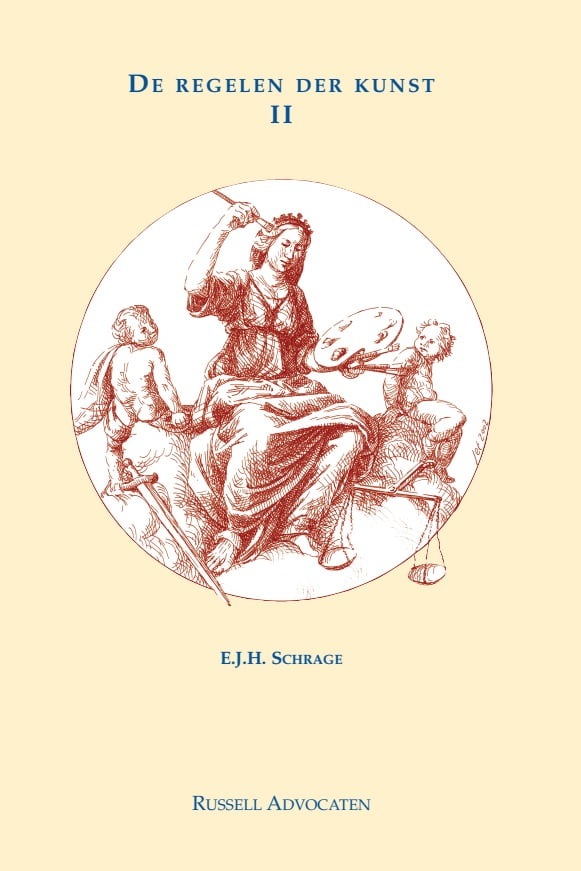 The Rules of Art II (2003)
The Rules of Art II discusses a number of important legal rules for the art and antiques trade. A wide range of topics is covered, such as seller’s error, trade in war-looted art, warranties of authenticity and the artist’s droit au respect.
 Unjustified Enrichment (1996)
In Unjustified Enrichment the Civil Law doctrine of unjust enrichment is compared to the law of restitution, its counterpart in Common Law. Internationally renowned scholars discuss legal developments on the subject of unjust enrichment in the Netherlands, Germany, France and Great Britain. [Juridische Reeks Vrije Universiteit 14]
 The Rules of Art (1989)
This collection of essays specifies several legal rules for the trade in fine art. The three topics discussed are authenticity of paintings, the Cultural Heritage Preservation Act and turnover tax on art objects and antiques.
[Juridische Reeks Vrije Universiteit 10]
The regulation of charities and nonprofit organizations is changing rapidly. New rules, stricter audits, and European legislation are making it more important than ever for organizations to stay on top of their compliance obligations. In this newsletter, we outline the most important developments for you.
Over the past year, the number of rental properties sold has risen sharply. Private residential landlords are pulling out due to stricter regulations and declining returns. For tenants, this creates uncertainty about their rights. Still, one reassuring rule applies: “Sale does not terminate the lease.”
Lawyers of the litigation team of Russell Advocaten have written the chapter on the Netherlands in the 2026 edition of the volume on Litigation & Dispute Resolution in the Global Legal Insights series. Do you want to know more about the benefits of litigating in the Netherlands? And the options the Dutch court system offers for settling international disputes?
When a debtor refuses to pay outstanding invoices, despite repeated reminders, demand letters and even settlement proposals, creditors may start looking for stronger measures. One option under Dutch law is filing a bankruptcy petition against the debtor. When can a creditor use this option, and what are the risks involved?
The European Commission aims to introduce a new European legal entity in 2027: EU Inc. How does EU Inc. work? For which companies is this legal form suitable?
An amendment to the Working Conditions Act requires employers to consult the Works Council on health and safety policy with effect from 1 July 2026. What issues are involved? What other rights does the Works Council have regarding working conditions?
