


Paul is a highly experienced, creative and tenacious litigator
paul.russell@russell.nl +31 20 301 55 55What can you do if the work of art you purchased differs substantially from what you thought to have purchased?
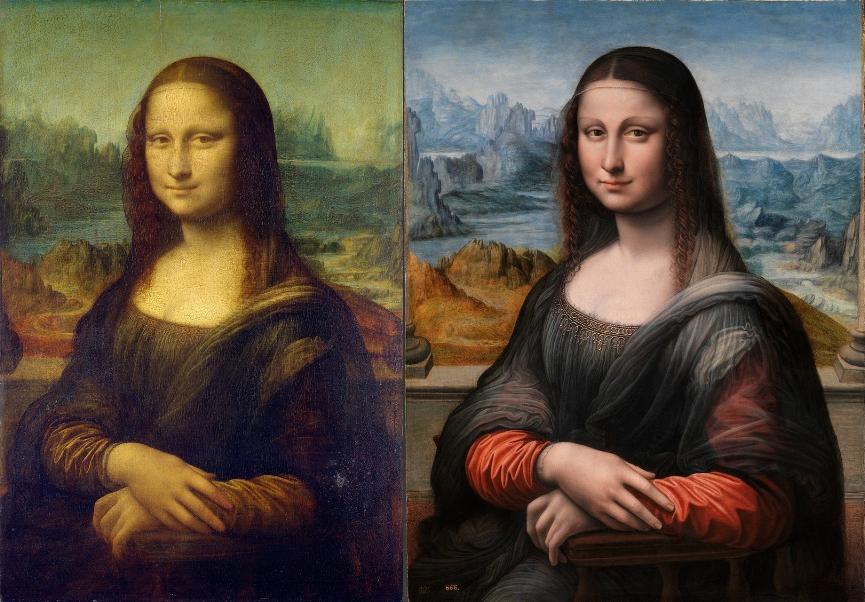
You have bought a painting under the impression that it was made by a certain master, however, research shows that this is not the case. The painting is a forgery and worth considerably less than you expected. What can you do if the work of art you purchased differs substantially from what you thought to have purchased?
Error is deemed to exist if:
The buyer may invoke error successfully if the following conditions are met:
If you want to invoke error, you will have to prove that the lacking quality, such as the name and reputation of the artist, was an important factor for your decision to buy the painting. Therefore, it is important to include in the purchase contract prior to the purchase what you intend to buy, such as the name of the artist.
In the event of error, the agreement can be annulled. Annulment does apply retroactively, that means the agreement is considered to have never existed. After the annulment the sum of money paid has to be given back and the work of art must be returned to the seller.
Would you like to learn more about error regarding art purchases? Or do you have any other questions about art and law? Please contact Russell Advocaten:
The Holocaust Expropriated Art Recovery Act (HEAR Act) of 2016 has recently undergone significant amendments. This could have major implications for anyone wishing to export, trade or loan art dating from before 1946 to the United States. What do art dealers, collectors and museums need to bear in mind from now on?
When a debtor refuses to pay despite reminders and demand letters, stronger measures will be necessary to secure a claim. One of the most effective instruments in Dutch debt recovery is attachment. How can a creditor secure such an attachment?
Would you like to know whether you can establish your business on a particular plot of land and what conditions the buildings must meet? Then the zoning plan is the first document you should consult.
As of 1 January 2026, the Money Laundering and Terrorist Financing (Prevention) Act (Wwft) will change. Cash payments of EUR 3,000 or more will then be prohibited. What does this mean for the retail sector and the art trade?
Since 28 June 2025, a new EU regulation requires anyone wishing to import cultural goods into the EU to have an import licence or submit an importer statement. When is which type of document required? How does it affect art dealers, galleries, auction houses and collectors, both inside and outside the EU?
Employees who consume alcohol and drugs during work or who want to work under the influence remain a problem for employers. What measures can you take against this? Are you allowed to test an employee if you suspect they are under the influence?
