


Reinier advises national and international companies
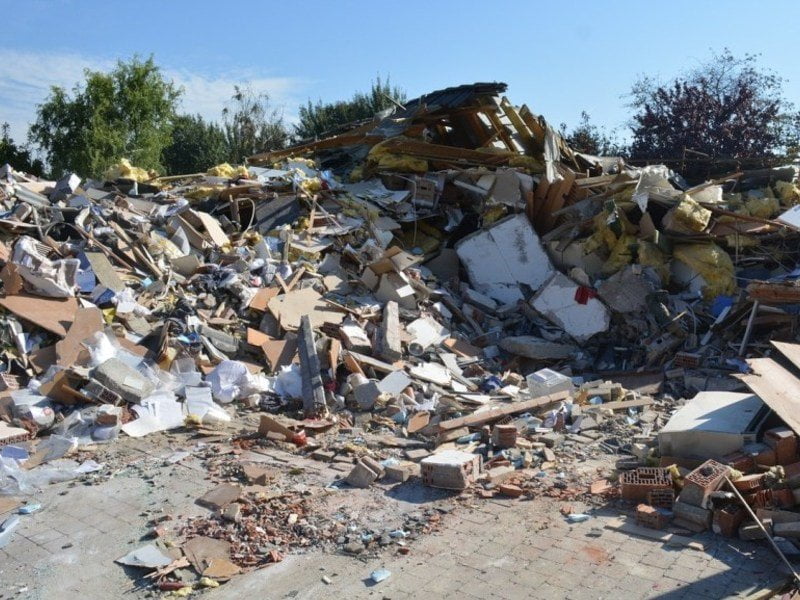
reinier.russell@russell.nl +31 20 301 55 55Shop premises collapsed in Den Bosch in February, possibly as consequence of the activities of a contractor the lessee (Pearle) had brought in. Who has to repair the damage, the lessor or the lessee?
If the damage has to be repaired by the lessor or the lessee is governed by the regulation on defects, one of the core values of rent protection. A defect must be repaired by the lessor if:
Defects may be, for instance, a leaking roof, a defective boiler or long-term difficult access.
If there is a defect as referred to in the regulation on defects, the lessee must notify the lessor and demand from the lessor to repair it within a reasonable period of time. If the lessor does not comply with this request, the lessee is allowed to repair the defect himself, for instance, by bringing in a contractor and setting off the reasonable repair costs against the lease. The lessee can also claim that the lease will be reduced and – if the lessor is liable for the defect – that his damage will be compensated by the lessor.
The regulation on defects does not apply if the defect was caused by the lessee or on his behalf. In the event, for instance, a water pipe bursts due to freezing. The lessee is namely obliged to prevent the freezing of water pipes. If the lessee does not fulfil this obligation, he will be liable for the damage and the lessor can demand from the lessee to repair the defect.
For residential property the regulation on defects is mandatory law, this means the lessor and lessee cannot deviate from it. As regards other premises, such as shops and offices, the parties can agree in the lease agreement that certain defects do not fall under the regulation on defects.
If the leased property collapses or is (mostly) destroyed by fire, the lessee will no longer have quiet enjoyment. If repair of the defect is impossible or requires unreasonable expenses of the lessor, both parties can terminate the lease prematurely.
However, the option to terminate the lease prematurely does not exist, if the lessee or a party he brought in is responsible for the destruction of the leased property. If the contractor of the lessee Pearle in Den Bosch is responsible for the collapse of the premises – which has not (yet) been established – the lease cannot just be terminated and, in addition, Pearle will be liable for the damage to the lessor, including the foregone rent. This is likely going to be an insurance matter in which (the insurance of) Pearle will be able to recover the damage from (the insurance of) the contractor. It will be even more complicated if it turns out that the contractor was brought in by Pearle to repair an existing defect.
If the leased property is defective and the lessor does not provide the expected quiet enjoyment (any longer), the lessee may demand remedy and potentially claim compensation and/or rent reduction. That does not hold true if the defects can be attributed to the lessee. In this case it is the lessee who is liable to the lessor.
Do you have any questions on leasing or letting industrial premises or any other questions regarding real estate? The specialists at Russell Advocaten will be happy to assist you. Please contact us:
Over the past year, the number of rental properties sold has risen sharply. Private residential landlords are pulling out due to stricter regulations and declining returns. For tenants, this creates uncertainty about their rights. Still, one reassuring rule applies: “Sale does not terminate the lease.”
What can you do if you have a dispute with the board or the manager of the homeowners’ association? For example, regarding overdue maintenance or whether sustainability measures are too expensive?
European regulatory developments are introducing major new obligations for companies in the retail, fashion and luxury sectors. Companies must prepare their compliance processes accordingly.
Can you dismiss your employee with immediate effect after a minor offence, such as the theft of a (very) low-value product? Yes, you can! However, a recently published decision shows it does not go without a risk!
(Re-)building, placing solar panels or an advertisement on your commercial property? In the Netherlands you have to apply for an environmental permit for such activities. So what is an environmental permit, how can you apply for it and how does the procedure work after the application?
When a debtor refuses to pay despite reminders and demand letters, stronger measures will be necessary to secure a claim. One of the most effective instruments in Dutch debt recovery is attachment. How can a creditor secure such an attachment?
