


Reinier advises national and international companies
reinier.russell@russell.nl +31 20 301 55 55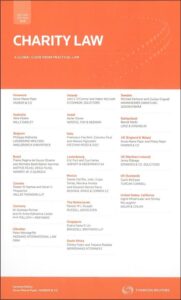 Reinier W.L. Russell, LL.M. contributed the chapter on the legal framework of charity law in the Netherlands to the practical handbook Charity Law. A Global Guide from Practical Law, published by Thomson Reuters. This handbook “provides a high level practical overview of the global charity law sector, covering 20 key jurisdictions. It is an ideal starting point for charities and their advisers in navigating cross-jurisdictional charity law and practice.
Written by leading lawyers, the guide provides a structured overview of the key practical issues in each jurisdiction, including the legal framework, principal sources of law, forms of organisation used for charitable purposes and the formalities to set these up, main regulatory authorities, management, accounting/financial reporting requirements, tax and how overseas bodies can operate and fundraise.”
The book could also be consulted at Thomson Reuter’s website and was updated regularly.
Reinier W.L. Russell, LL.M. contributed the revised chapter on the legal framework of charity law in the Netherlands to the practical handbook Charity Law. A Global Guide from Practical Law, published by Thomson Reuters. This handbook provides a high level practical overview of the global charity law sector, covering 20 key jurisdictions.
This newsletter highlights the key developments in EU law and their practical implications for the aviation sector.
The regulation of charities and nonprofit organizations is changing rapidly. New rules, stricter audits, and European legislation are making it more important than ever for organizations to stay on top of their compliance obligations. In this newsletter, we outline the most important developments for you.
The European Commission aims to introduce a new European legal entity in 2027: EU Inc. How does EU Inc. work? For which companies is this legal form suitable?
European regulatory developments are introducing major new obligations for companies in the retail, fashion and luxury sectors. Companies must prepare their compliance processes accordingly.
When is a director still permitted to participate in decision-making if they have a personal conflict of interest regarding a decision? And who is authorised to make that judgement?
