


Employees who are underperforming may be dismissed. However, they must first be given the opportunity to improve their performance through a performance improvement plan (PIP). What requirements must such a plan meet?
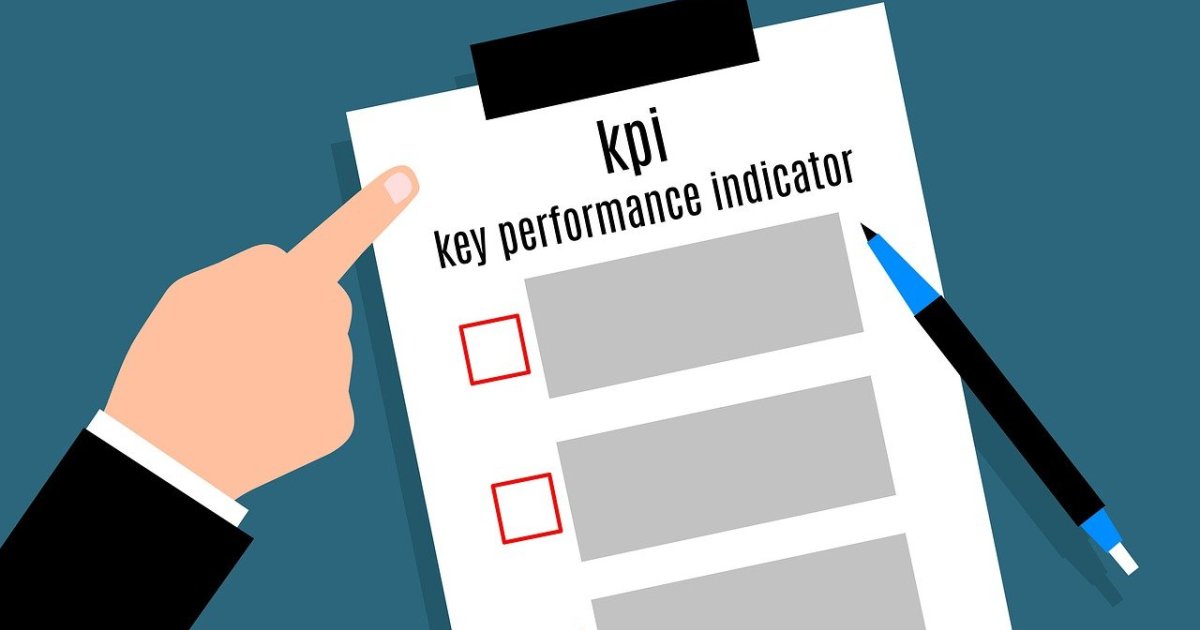
An employee is not performing to your expectations. You may have already raised this issue, but without the desired result. This is unfortunate, not only for the working relationship with colleagues, but also for the progress of the work and the efficiency of the organisation. What can you do as an employer in such a situation?
In Dutch employment law, poor performance constitutes reasonable grounds for dismissal. However, before you, as an employer, can actually proceed with dismissal, strict conditions must be met. The employer must be able to demonstrate that:
In this blog, we will take a closer look at the improvement plan. This plan is not only intended to support an employee in improving their performance, but in practice it is also an (almost) mandatory step before an employer can proceed with dismissal on the grounds of poor performance.
The Supreme Court has ruled that, partly in view of the requirements of good employment practices, an employer must offer the employee a serious and realistic opportunity for improvement. The help, support and guidance that can be expected from the employer depends on the circumstances of the case. The following factors, among others, play a role in this:
A careful improvement process will in any case involve the following steps:
The primary purpose of a PIP is to improve performance, not to directly dismiss the employee. Good guidance, regular evaluations and careful file building are essential, both for the employee and to limit legal risks for the employer.
In addition, ensure that the employee can record their views and responses in writing, for example in response to interim evaluations within the improvement process.
Finally, transparency is crucial. Be clear about the possible consequences of not achieving the objectives of the improvement plan. Make it explicit that insufficient improvement in performance can have serious consequences for the employment relationship. By communicating openly and honestly, both parties know where they stand.
Would you like to know more about the improvement process for underperforming employees, or do you need help drawing up a PIP? We will be happy to assist you. Please contact us:
Statutory directors enjoy less protection against dismissal, but there must still be reasonable grounds for the dismissal. Otherwise, the employer must pay fair compensation. This can be substantial, as a recent ruling has shown. Why was the employer required to pay this compensation?
The European AI Act requires employers to ensure that employees have sufficient knowledge of AI systems. This can be achieved through training, but also through an AI policy tailored to the company. What should you include in such a policy? What role does the works council play in the implementation of the AI policy?
Reinier W.L. Russell, LL.M. has published an article on The benefits of a works council for entrepreneurs in the “Off the record” section of Primerus Weekly on March 3, 2026. Below you will find the text of this article.
The works council has the right of consent when establishing, amending or withdrawing a remuneration system. Is an amendment to a share scheme an amendment to the remuneration system?
The salary thresholds for highly skilled migrants and European Blue Card holders are adjusted annually. What will be the amounts for 2026? Also, stricter rules for the highly skilled migrant scheme are proposed. What might change?
On-call contracts offer many advantages for both employers and on-call employees. However, there are also a few rules that they need to take into account. What are they?
