


Discrimination in the recruitment and hiring of new staff is not permitted. When do you, as an employer, discriminate during the application process, even unintentionally? And how can you prevent this, also if you use AI?
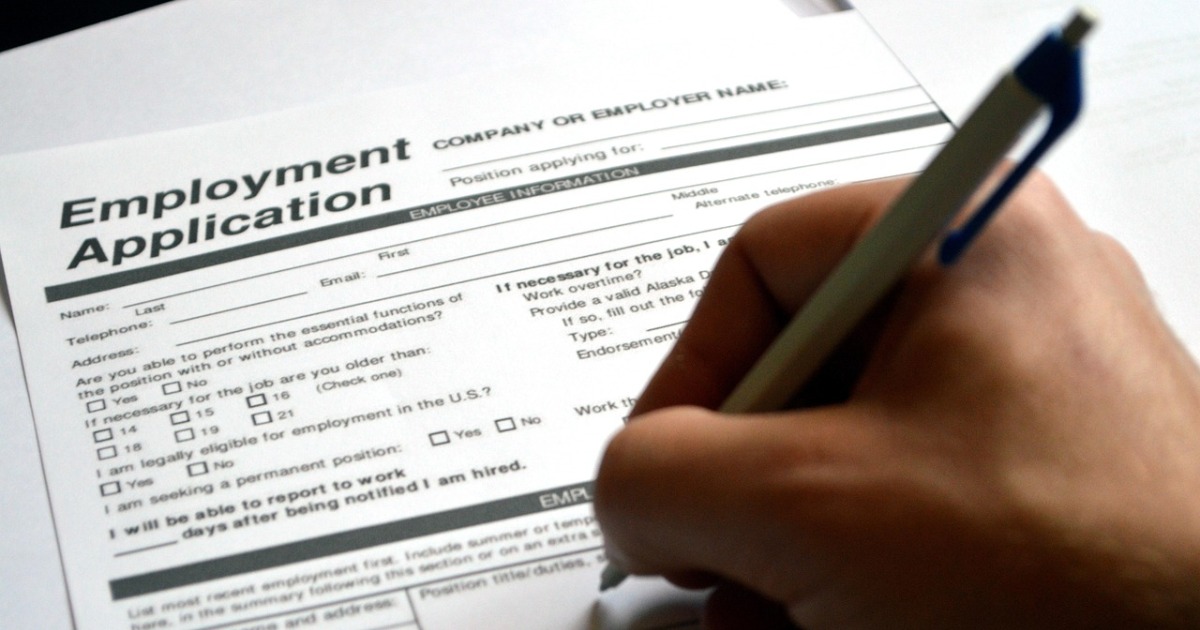
Research by the Netherlands Labour Authority shows that 43% of all employment discrimination occurs during the application process. This is worrying, especially since discrimination is often only addressed after it has taken place. Prevention is better than cure, and that starts with an objective, transparent recruitment and selection procedure.
In March 2023, the Equal Opportunities in Recruitment and Selection Act was passed by the House of Representatives. Although this act was ultimately rejected by the Senate in March 2024, it shows that politicians also recognise the importance of equal opportunities in the application process.
As an employer, you are responsible for preventing discrimination, as laid down in the Constitution and equal treatment legislation. This means that all applicants must be treated fairly and equally, also when AI systems are used in recruitment and selection.
In addition to anti-discrimination legislation, privacy legislation also plays a major role in the screening of job applicants, because according to the General Data Protection Regulation, personal data may only be processed if there is a legal basis for doing so. Please refer to our blog on this subject.
Discrimination means treating applicants unequally on the basis of personal characteristics that are not relevant to the job. The law distinguishes between direct and indirect discrimination.
Direct discrimination means that a candidate is disadvantaged on the basis of, for example, origin, gender, age or religion. In principle, this is prohibited, except in very specific cases where the law allows an exception. The easiest way to avoid discrimination on these grounds is to ensure that you do not have any information about them.
During the application process, you are therefore not allowed to ask questions about:
When candidates are selected or excluded on the basis of this information, this constitutes direct discrimination. If an applicant claims that discrimination has taken place, they must substantiate this with concrete facts or circumstances. If the applicant has made a prima facie case of discrimination, the burden of proof shifts to the employer. The employer must then demonstrate that there has been no discrimination and that it has acted in accordance with equal treatment legislation.
Since this is often difficult to prove in practice, it is very important for employers to act proactively and minimise the risk of violating these regulations.
An exception applies if a certain characteristic is objectively necessary for the job. For example, a Catholic school may require that a teacher of religion be Catholic, because religious beliefs are an integral part of the curriculum.
Indirect discrimination occurs when seemingly neutral criteria disadvantage certain groups in practice. This is also prohibited, unless the distinction:
A company advertises a vacancy for candidates who are fluent in spoken and written Dutch. This requirement may be indirectly discriminatory towards people of foreign origin. However, it may be justified, for example, if it concerns a customer service position that requires communication with customers in flawless Dutch.
Please note: even if discrimination is not intentional, you as an employer are responsible for the effect. The law prohibits discriminatory consequences, regardless of intent.
More and more companies are using AI systems to assess job applications. These systems can ensure efficiency, speed and apparent objectivity. However, there is a danger: the data used is entered by humans and is therefore susceptible to bias.
A hospital used application data from current staff as input for an AI system. Because the majority of nurses were female, the system automatically gave preference to female candidates – even though gender was not a selection criterion. This resulted in unconscious direct discrimination.
The technology appears objective, but it works on the basis of data that is not always neutral, a “bias”. This can lead to unintentional violations of equal treatment legislation.
As an employer, you are legally obliged to ensure a safe, inclusive working environment, starting with the application process. This also applies when using AI. Therefore, pay attention to the following:
Many employers are aware of workplace regulations, but do not realise that these already start with the drafting of the job advertisement. A mistake at this early stage can lead to liability or other unpleasant consequences, such as a fine.
Are you unsure whether your application process complies with the law? Or do you want to be sure that your organisation is currently recruiting new staff fairly, including with AI? We are happy to think along with you and help you avoid risks. Please do not hesitate to contact us:
An amendment to the Working Conditions Act requires employers to consult the Works Council on health and safety policy with effect from 1 July 2026. What issues are involved? What other rights does the Works Council have regarding working conditions?
What can you do if you have a dispute with the board or the manager of the homeowners’ association? For example, regarding overdue maintenance or whether sustainability measures are too expensive?
On-call contracts offer many advantages for both employers and on-call employees. However, there are also a few rules that they need to take into account. What are they?
The government wants to improve the legal position of flex workers with a new law. What will it mean for employers and flex workers if the legislative proposal is adopted? What new rules will you need to take into account?
A new law stipulates that self-employed persons earning less than 38 euros per hour are, in principle, deemed to be employees. What does this mean for contractors and their clients? What exceptions might there be to this legal presumption based on an hourly rate?
The statutory minimum hourly wage changes every six months. What are the new amounts as of 1 July 2026?
